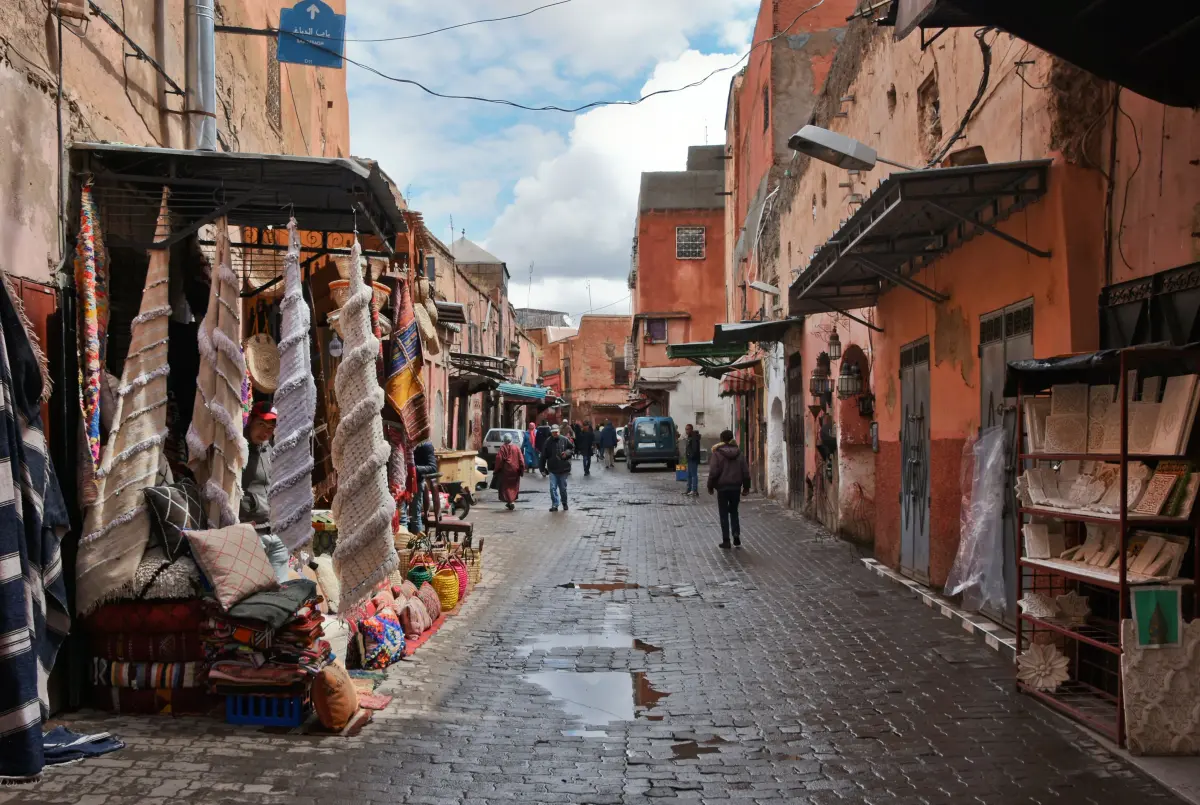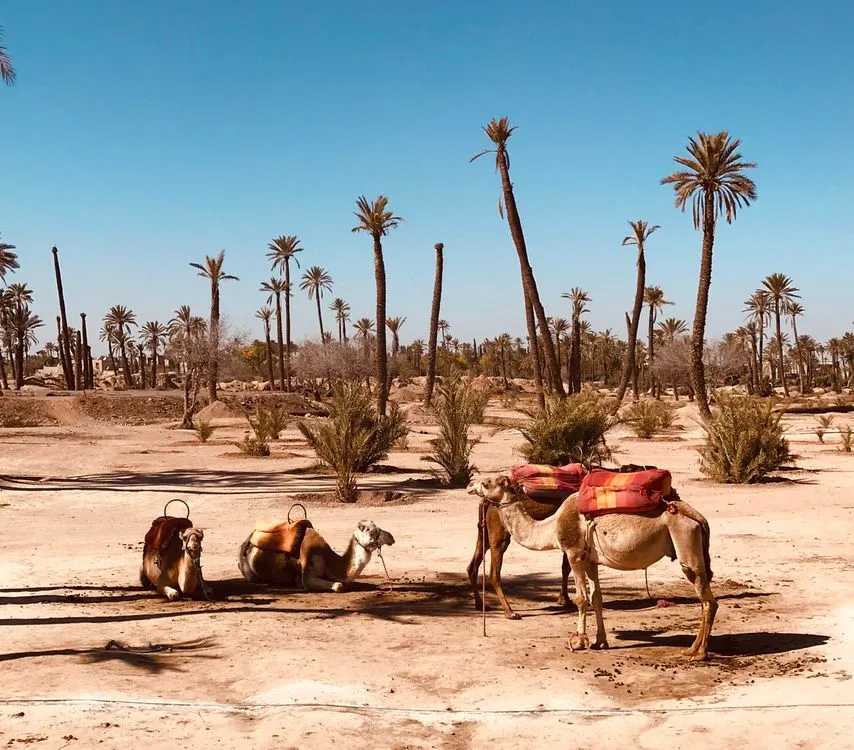
Marrakech is a generally safe destination, particularly regarding violent crime, which is rare against tourists. However, exploring the narrow, crowded streets of the historic Medina can expose you to opportunistic scams.
Not every unexpected interaction is a scam. Many locals are simply going about their day or offering genuine help. Most of these situations are annoyances rather than true dangers. The key to handling them is awareness, polite firmness, and a little preparation before you set out to explore the best things to do in Marrakech.
By knowing what to look out for, you can avoid unnecessary expenses and stressful encounters while exploring the city.
Quick Reference: Scams & How to Handle Them
If you find yourself in an uncomfortable situation, use this quick reference guide to respond effectively.
| Scam Type | Where it happens | What you should say/do |
|---|---|---|
| “Road is Closed” | Deep Medina alleys | Politely decline unwanted assistance and keep walking |
| Unwanted Henna | Jemaa el-Fnaa | Keep hands away, decline firmly if approached |
| Animal Photos | Jemaa el-Fnaa | Avoid taking photos if you do not wish to pay |
| Taxi Meter Refusal | Across the city | Ask for the “Compteur” before closing the door |
| Fake Tanneries | Eastern Medina | Agree on a total price before accepting any tour |
1. The “Road is Closed” Scam (Fake Guides)
This is one of the most frequent situations you might encounter when navigating the Marrakech Medina. As you walk, a young man or a group of boys might approach you and say, “The road is closed,” or “You can’t go that way to the big square.”
The Reality: While a road might occasionally be blocked for construction or deliveries, this phrase is often used as a tactic to confuse tourists. The person will then offer to “guide” you through a maze of alleys. They will eventually lead you to your destination, but they may demand a large tip for their unsolicited help.
How to avoid it: Pin your riad or hotel on an offline map. If someone tells you a road is closed, check your map or ask inside an established shop. Politely decline unwanted assistance and keep walking. Remember that not every local trying to speak to you is a scammer, but if you are confident in your route, stick to it.
2. The Unwanted Henna Tattoo
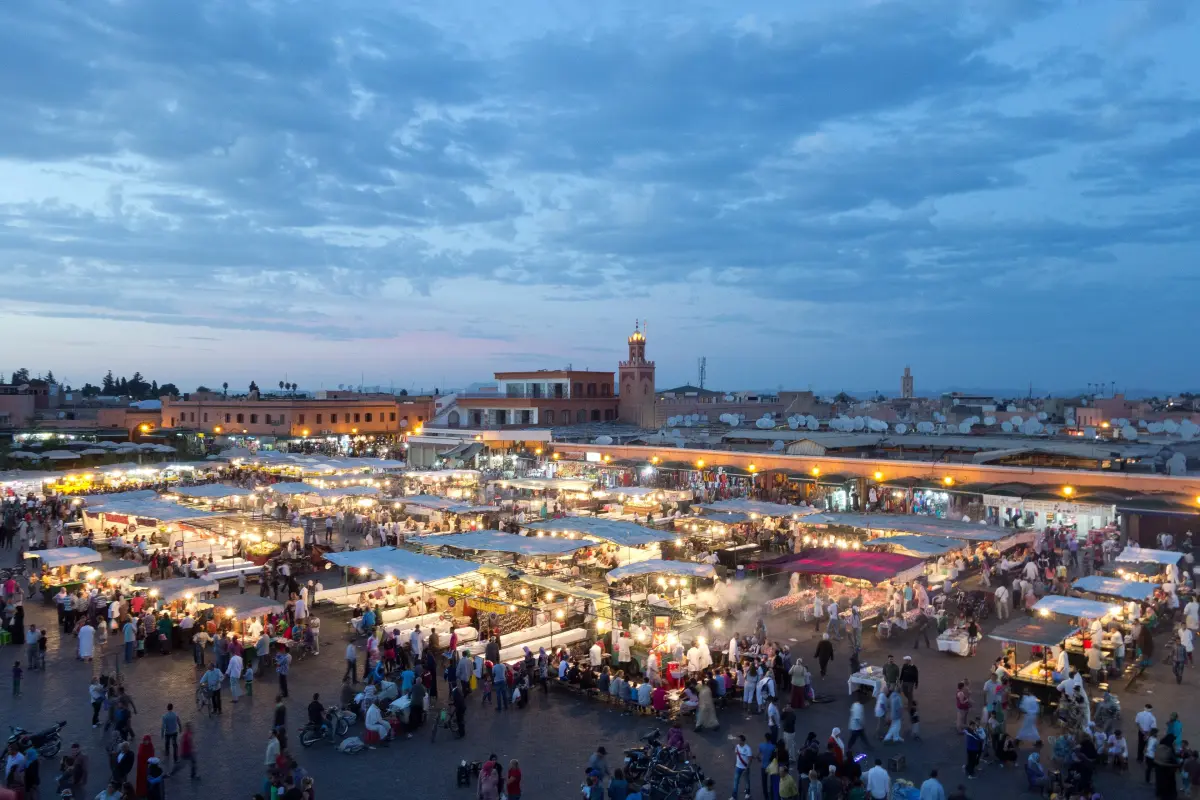
When walking through the busy Jemaa el-Fnaa square, you will see women sitting with syringes of henna paste. Some might approach you, grab your hand, and start drawing a design before demanding payment for the “gift.”
The Reality: It is not a gift, and the initial price demanded can be highly inflated. Furthermore, some products marketed as “black henna” may contain para-phenylenediamine (PPD), which can cause serious skin reactions.
How to avoid it: Keep your hands out of reach when walking past henna artists. If you are approached, politely but firmly decline the service. If you genuinely want a henna design, ask what ingredients are being used, and avoid any product if the artist cannot explain its contents, or book an appointment at a reputable salon.
3. Animal Exploitation (Monkeys and Snakes)
Also in Jemaa el-Fnaa, you will see individuals holding chained Barbary macaque monkeys and snake charmers. If you stop to take a photo—even from a distance—some handlers may request payment for photographs.
The Reality: This practice relies on tourists paying for novelty photos. The animals are often kept in poor conditions, and the interaction can feel highly pressured.
How to avoid it: Do not support this industry. Avoid taking photos if you do not wish to engage, and walk around the handlers. If an animal is placed on you, calmly ask them to remove it and continue walking.
4. Taxi Overcharging
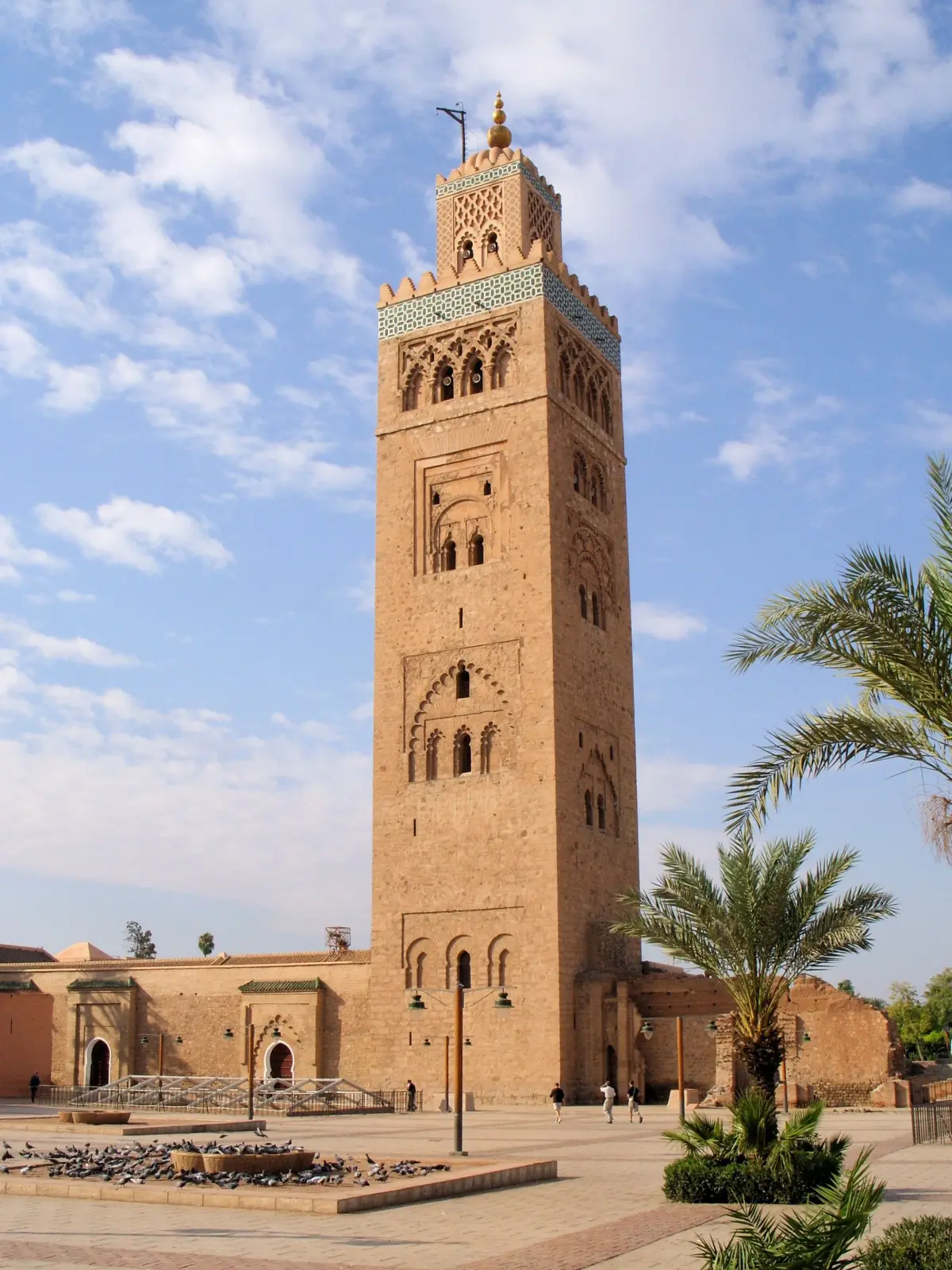
You flag down a beige “Petit Taxi,” get in, and the driver starts driving without turning on the meter. Upon arrival, he demands a high flat rate for a ride.
The Reality: By law, all Petit Taxis in Marrakech are supposed to use a meter (compteur). However, some drivers might try to negotiate a flat rate with tourists instead. The actual cost of a ride depends heavily on distance, time of day, and current tariffs.
How to avoid it: Before you close the car door, ask “Compteur, s’il vous plaît” (Meter, please). If the driver claims it is broken or insists on a high flat rate, simply decline and find another taxi. Ride-hailing apps like Roby or InDrive are also available in the city; if you use them, always verify the service availability, pricing, and ride terms before booking.
5. “Fake” Argan Oil
Argan oil is a highly sought-after Moroccan product. You will find many small shops in the Medina selling bottles labeled as pure Argan oil for very low prices.
The Reality: A low price does not automatically prove a product is fake, but real, cosmetic-grade Argan oil is labor-intensive to produce and generally expensive. Buying from a pharmacy or cooperative is also not an absolute guarantee of purity if you do not verify the product details.
How to avoid it: Check the ingredients list, the intended use (culinary vs. cosmetic), product information, and packaging. Be cautious of purity claims that lack any verifiable evidence, regardless of where you are shopping.
6. The Tannery Hustle
Near the eastern side of the Medina, locals might offer to take you to the leather tanneries, sometimes claiming it is a “special Berber festival” or the “last day of the auction.”
The Reality: There is no special festival. Some individuals will lead you to the tanneries, rush you through a tour, and then bring you to an affiliated leather shop. If you don’t buy anything, they will expect a tip for the guiding service.
How to avoid it: You do not have to avoid the tanneries entirely, but go on your own terms. If you want a guided visit, ask these questions before you begin:
- Where exactly are we going, and how long will the visit take?
- Is there an entrance fee or a guiding fee?
- What is the total amount I will be expected to pay?
- Does the visit include a stop at a shop?
If the answers are unclear or you feel uncomfortable, you can decline and continue with your own plans. If you proceed, agree on the total price before accepting the tour, so expectations are clear on both sides.
What to Do If You Feel Pressured or Unsafe
If someone continues demanding money for a service you did not agree to, avoid arguing or escalating the situation. Move toward a busy, staffed location such as a café or hotel and ask for assistance. If you feel threatened or experience theft, contact the local authorities and inform your accommodation.
General Practical Safety Tips
Beyond specific scams, standard travel precautions apply in Marrakech just as they do in any major tourist destination.
- Protect against pickpockets: The souks and Jemaa el-Fnaa can get incredibly crowded. Keep your bags zipped, carry your backpack on your front in dense crowds, and avoid keeping your phone or wallet in an open back pocket.
- Walk with purpose: Looking lost makes you a target for unsolicited help. If you need to check your map, step into a café or an established shop.
- Stay aware at night: While the main areas of the Medina remain busy and well-lit in the evening, avoid wandering down quiet, empty residential alleys late at night.