
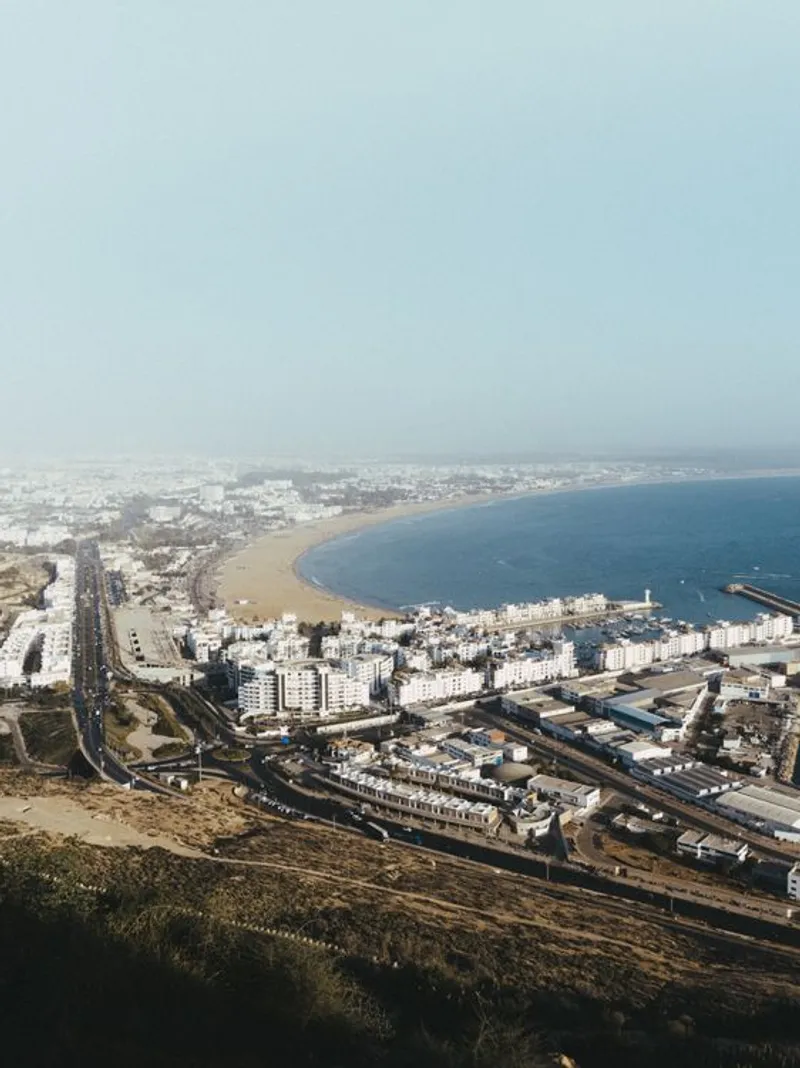
15 Best Things to Do in Agadir, Morocco
Agadir is not the Morocco of narrow medieval lanes and centuries-old medinas.
Much of the city was rebuilt after the devastating 1960 earthquake, and modern Agadir developed into one of Morocco’s major Atlantic beach destinations. Today, its appeal is a mixture of long beaches, oceanfront walks, markets, Amazigh culture, and easy access to the coast north and south of the city.
That makes Agadir particularly suited to travelers looking for a slower side of Morocco.
You can spend the morning exploring a huge local market, the afternoon beside the Atlantic, and the evening watching the city light up from Agadir Oufella. Stay longer, and places such as Taghazout, Paradise Valley, and Souss-Massa National Park become possible day trips.
This guide separates things to do inside Agadir from places that require a trip outside the city, so you know what can realistically fit into your itinerary.
Things to Do in Agadir at a Glance
| Place | Best for | Time to allow |
|---|---|---|
| Agadir Beach | Beach & walking | 2+ hours |
| Agadir Oufella | History & views | 1–2 hours |
| Cable Car | Panoramic views | 1+ hour |
| Souk El Had | Food & shopping | 2–3 hours |
| Medina Polizzi | Architecture & crafts | 1–2 hours |
| Marina | Waterfront walk | 1 hour |
| Amazigh Museum | Culture | Around 1 hour |
| Crocoparc | Families | 2–3 hours |
| Talborjt | Local city atmosphere | 1–2 hours |
| Taghazout | Surf & coast | Half/full day |
| Paradise Valley | Nature | Half/full day |
| Souss-Massa | Wildlife | Half/full day |
If you only have one day, concentrate on Agadir itself. With two or three days, you can start adding the surrounding coast or countryside.
1. Walk Along Agadir Beach
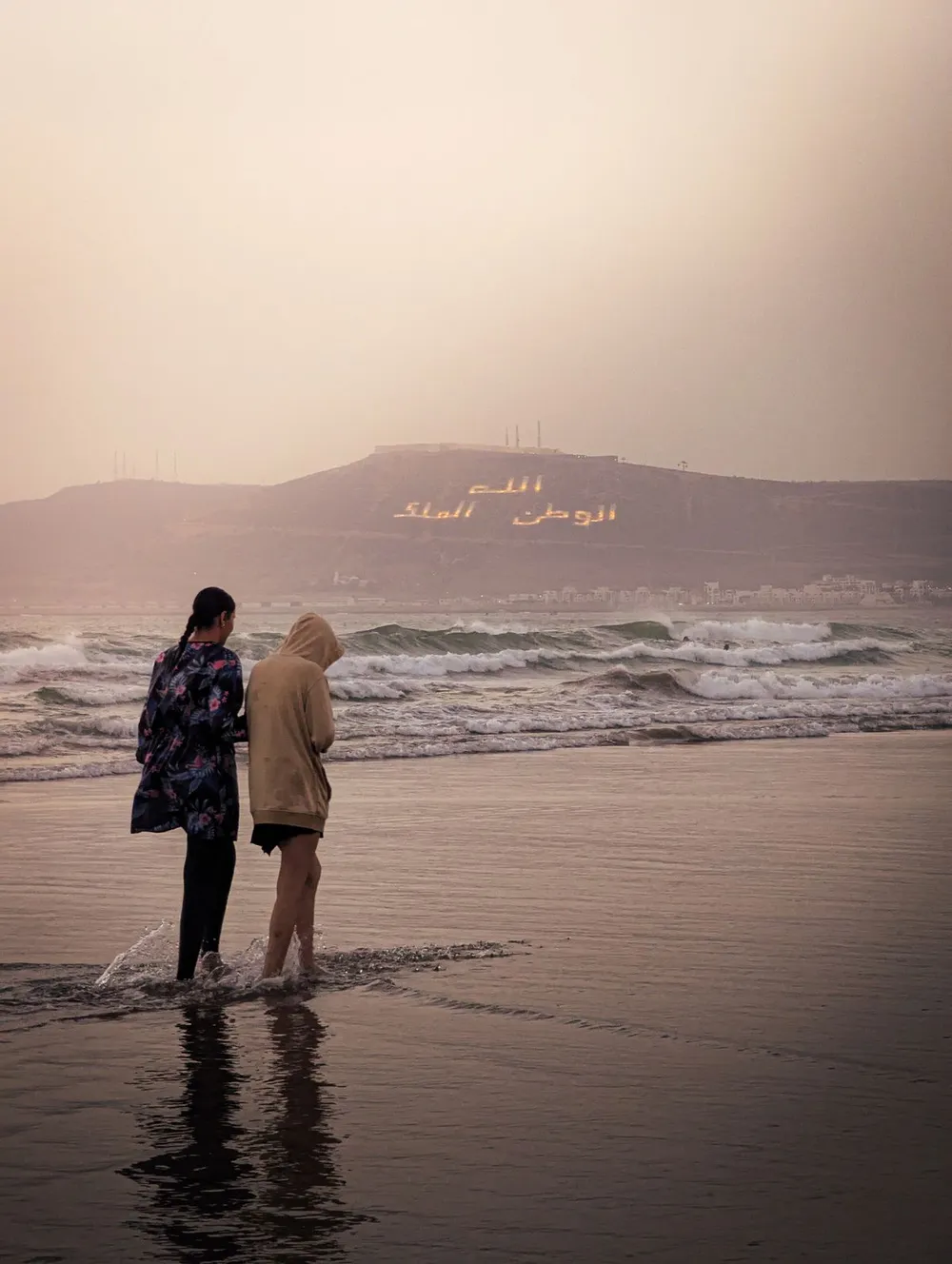
Agadir’s beach is the obvious place to begin. The broad sandy bay stretches along the Atlantic, with a long waterfront promenade connecting hotels, restaurants, cafés, and recreational areas.
The Moroccan National Tourist Office describes the wider Agadir-Taghazout seafront as extending for around 10 kilometers, reflecting just how central the coastline is to the destination.
But you do not need to spend the entire day lying on the sand. One of the easiest ways to experience Agadir is simply to walk the promenade in the late afternoon, when the temperature becomes more comfortable and the waterfront gets busier.
If you want a beach day, make this a longer stop. If sightseeing is your priority, an hour or two along the promenade is enough to understand why Agadir feels so different from inland Moroccan cities.
Good to know: Swimming conditions can vary with weather and ocean conditions. Pay attention to local flags and lifeguard instructions rather than assuming the Atlantic is calm.
2. Visit Agadir Oufella
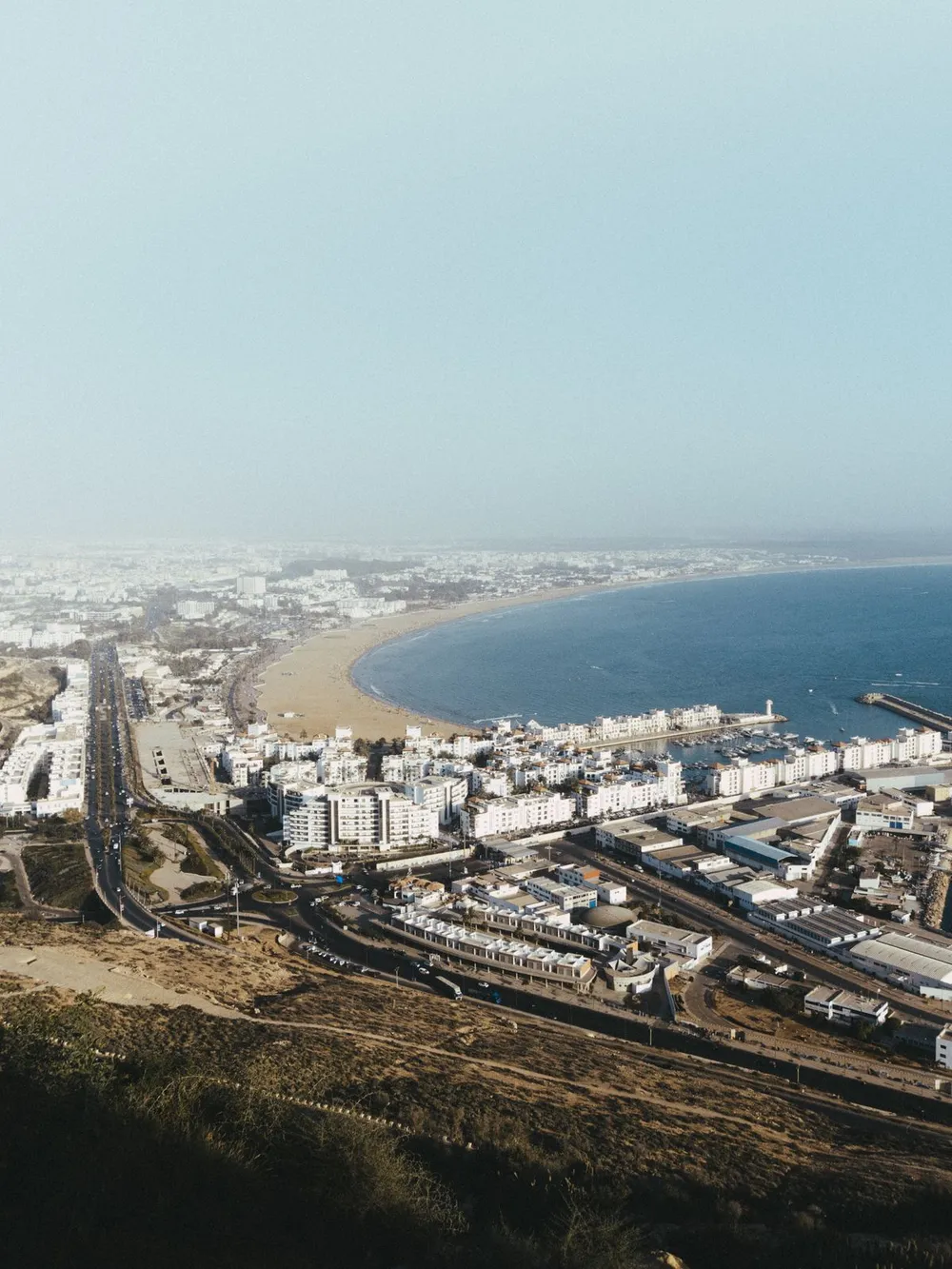
For the best combination of history and panoramic views, head uphill to Agadir Oufella.
The Kasbah dates to the 16th century and is one of the most important surviving historical sites associated with old Agadir. The 1960 earthquake devastated the settlement, and the site has since undergone archaeological and restoration work.
From the hill, you can look across modern Agadir, the port, and the Atlantic coastline. That contrast is what makes Oufella particularly interesting: below you is the rebuilt modern city, while the hill preserves part of the story of the Agadir that existed before the earthquake.
The restored interior can now be visited with a ticket. Current official information lists normal opening hours of 10:00 AM–7:00 PM, with seasonal variations including later summer hours. Because hours and ticket prices can change, check the official information shortly before visiting.
Allow roughly one to two hours if you want to combine the historical site with the viewpoints.
3. Take the Cable Car to Agadir Oufella
You do not necessarily need to drive up the hill. Agadir’s cable car connects the lower city with the Oufella area and turns the journey itself into part of the attraction.
As the cabin climbs, the view opens across the city, beach, marina, and Atlantic. It makes particular sense to combine the cable car and Kasbah as one activity rather than treating them as unrelated attractions.
A practical route is: Cable car up → explore Agadir Oufella → enjoy the viewpoints → cable car down.
Late afternoon can work particularly well because the light over the coast changes as sunset approaches. Ticket prices and operating hours are commercial information that can change, so check the current operator information rather than planning around an old price quoted in a travel blog.
4. Explore Souk El Had


If you only visit one market in Agadir, make it Souk El Had.
This is not a reconstructed tourist medina. It is a huge working urban market used by residents as well as visitors. Inside, you will find sections selling fruit and vegetables, spices, olives, household goods, clothing, leather products, traditional crafts, oils, and many other everyday items.
The scale alone is impressive. Tourism sources describe thousands of shops spread behind the market walls and 13 entrance gates.
Give yourself at least two hours rather than trying to rush through it.
One practical detail matters: Souk El Had is normally closed on Mondays for its weekly cleaning.
Remember which gate you entered through — taking a quick photo of it is an easy way to avoid confusion later. And if you are shopping, compare a few stalls before buying rather than treating the first quoted price as a universal market value.
5. Discover Agadir’s Amazigh Culture

Agadir sits in the Souss region, where Amazigh culture is an important part of local identity. That context is easy to miss if your trip consists only of the resort strip and beach.
A cultural museum can therefore provide useful background on jewelry, traditional objects, clothing, crafts, and regional heritage. This is especially worth adding if Agadir is your first destination in southern Morocco.
Rather than rushing through in 20 minutes, allow around an hour and use the visit to understand some of the objects and designs you will later see in markets and shops.
Because museum names, collections, and visitor arrangements have changed as Agadir’s cultural infrastructure has developed, verify the current museum and opening information before publishing or visiting.
6. Visit the Medina of Agadir
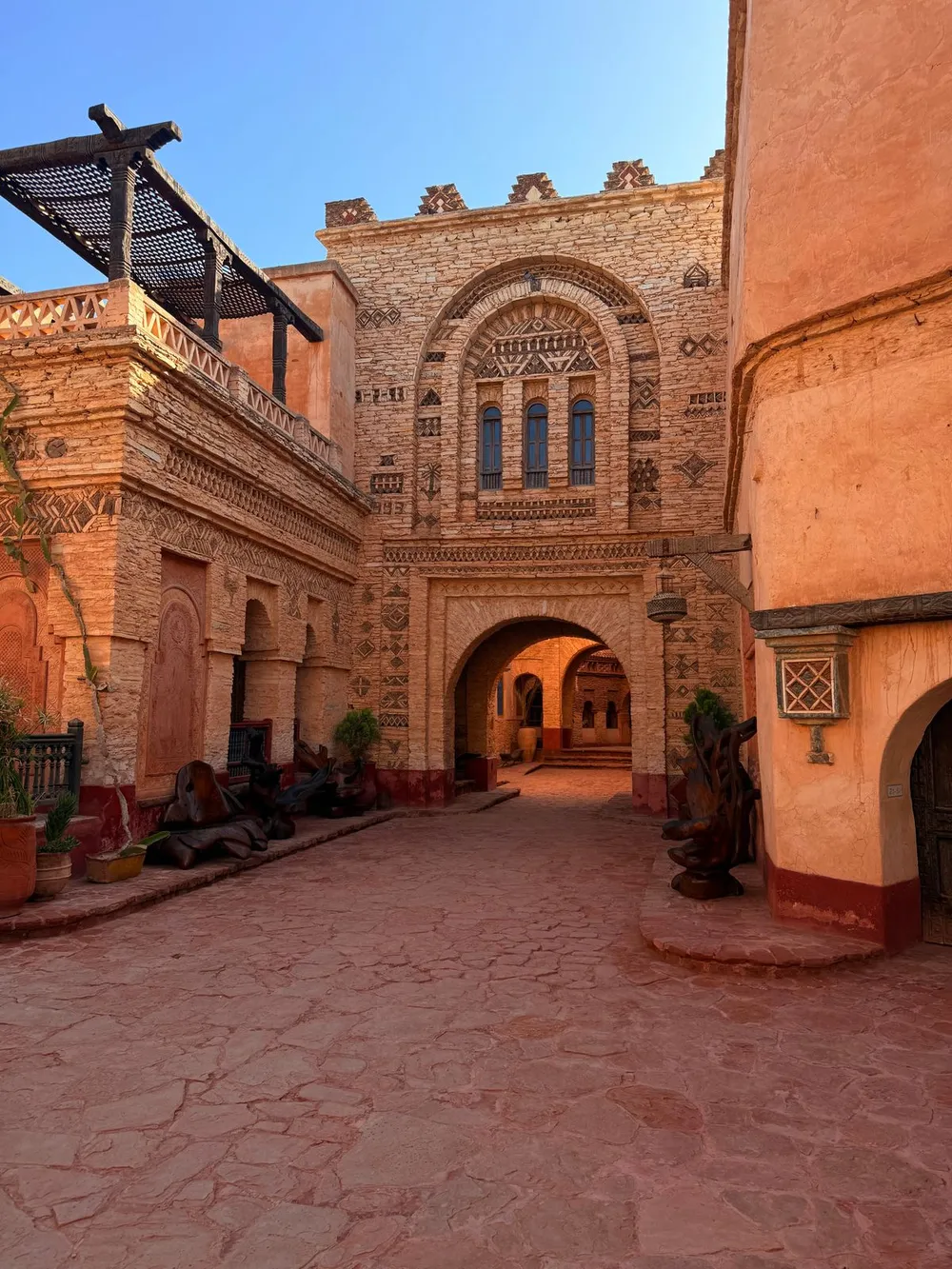
This is where expectations matter. Agadir’s present-day medina is not the city’s surviving medieval old town.
The historic city was devastated by the 1960 earthquake. The attraction commonly known as Medina Polizzi was created much later as an architectural and artisan complex inspired by traditional Moroccan building styles.
Once you know that, it becomes much easier to appreciate the place for what it actually is. Come for architecture, workshops, crafts, and photography — not because you expect the same historical environment as Fes el-Bali or Marrakech’s medina.
It is outside the main beachfront zone, so plan transport rather than assuming you can casually add it to a promenade walk.
7. Spend Some Time in Talborjt
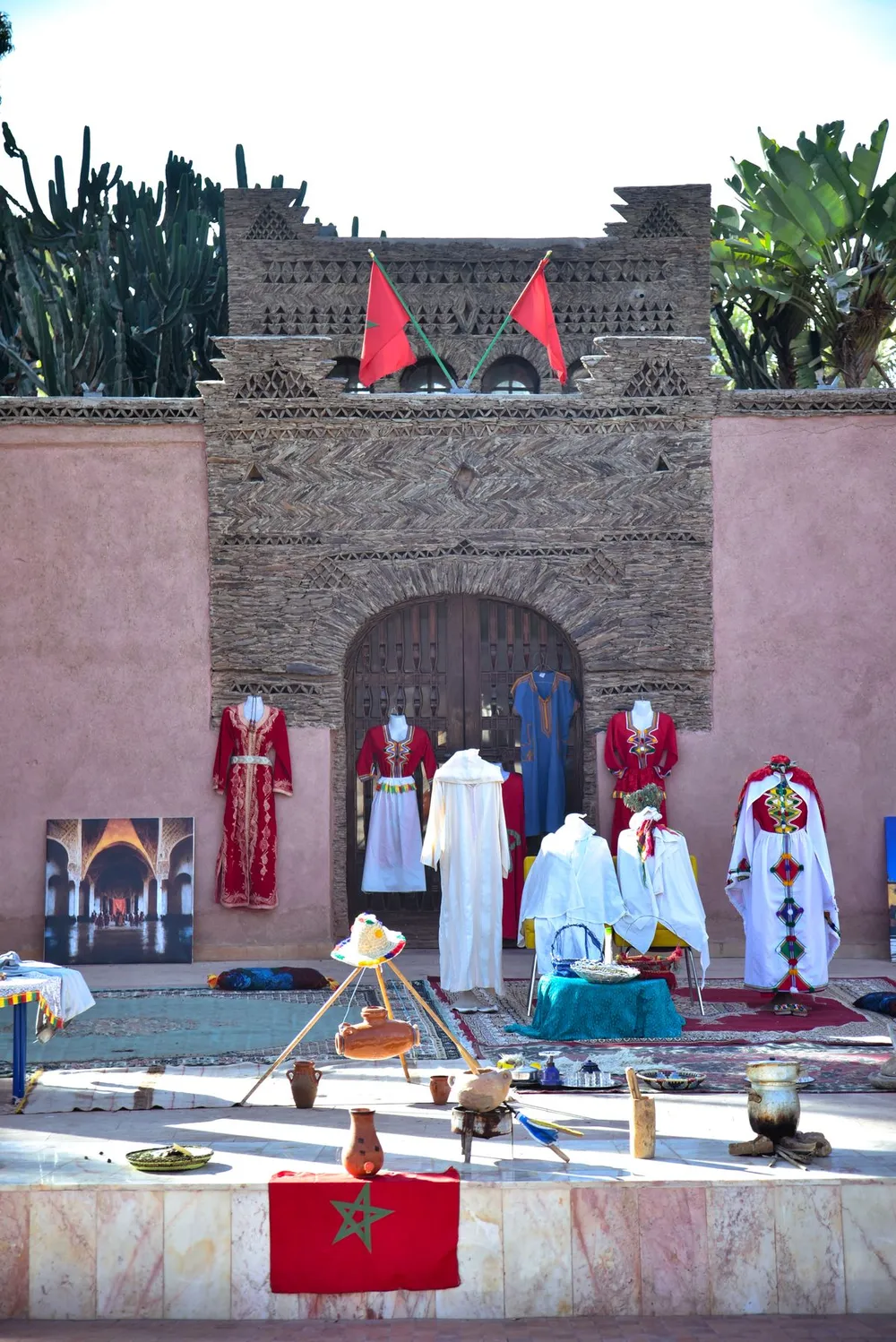
Not everything worth doing in Agadir needs to be a formal attraction. Talborjt gives you a different perspective on the city from the beachfront resort zone.
It is a useful area for cafés, casual meals, and observing everyday city life. If your hotel is beside the beach, spending part of an afternoon or evening around central Agadir also helps prevent your impression of the city from becoming: hotel → beach → marina → hotel.
Combine Talborjt with another central attraction rather than treating it as a half-day sightseeing destination on its own.
8. Walk Around Agadir Marina
At the northern end of the beachfront, the marina provides another easy place for a walk. Expect boats, restaurants, cafés, and modern development rather than historical sightseeing.
That is exactly why I would not make the marina a major standalone attraction. Instead, incorporate it into a longer coastal route (Beach → promenade → marina) or combine it with your trip toward the cable car and Oufella.
Allow roughly an hour unless you are stopping for food.
9. Experience a Moroccan Hammam
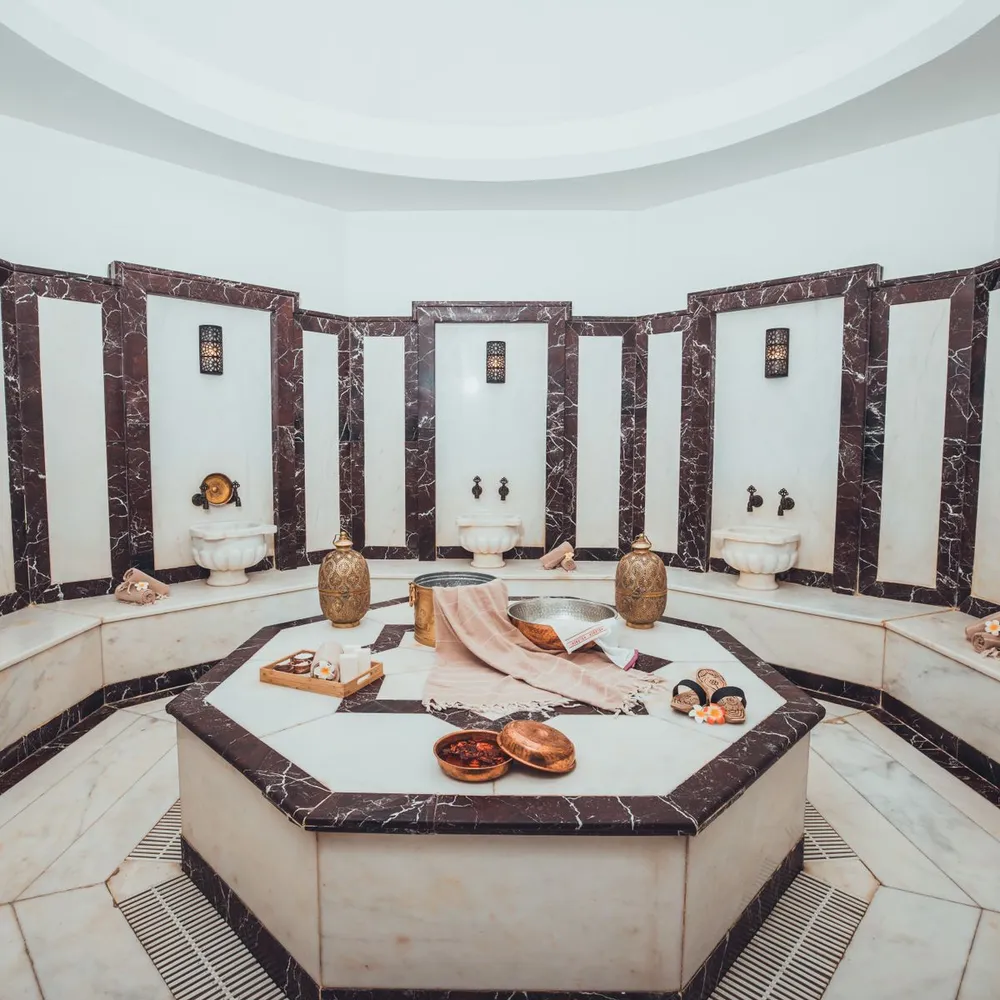
A hammam can provide a completely different break from sightseeing. Experiences vary enormously.
At one end are traditional neighborhood hammams primarily serving local residents. At the other are private spas offering hammam treatments specifically designed for visitors. The experience, level of privacy, service, and price can therefore be very different.
If this is your first hammam and you want everything explained clearly, a tourist-oriented spa or hotel hammam may be easier. If you specifically want a traditional public hammam, research the process beforehand rather than expecting a luxury-spa experience.
10. Visit Crocoparc

Traveling with children? Crocoparc is one of the easiest additions to a family itinerary.
Located in Drarga on the outskirts of Agadir, the park combines crocodiles with landscaped botanical areas and family facilities. Current official information lists admission at 100 MAD for adults and 70 MAD for children aged 3–12, with opening hours currently listed as 10:00 AM–6:00 PM. Hours vary seasonally.
There is another reason to check the official schedule rather than planning specifically around feeding time: Crocoparc says feeding frequency changes with temperature and season.
Allow around two to three hours, particularly with children.
11. Eat Your Way Through Agadir

Agadir’s location gives you a good opportunity to explore both Atlantic seafood and the food traditions of the Souss region. Do not restrict yourself to restaurants directly on the tourist waterfront.
Use the trip to look for:
- Grilled or fried fish and seafood
- Moroccan tagines
- Couscous
- Amlou (made with almonds, argan oil, and honey)
- Moroccan breads and breakfast foods
- Regional products from the Souss
Souk El Had can also be useful for seeing ingredients, spices, oils, and produce before you encounter them on a restaurant table.
12. Spend Half a Day in Taghazout
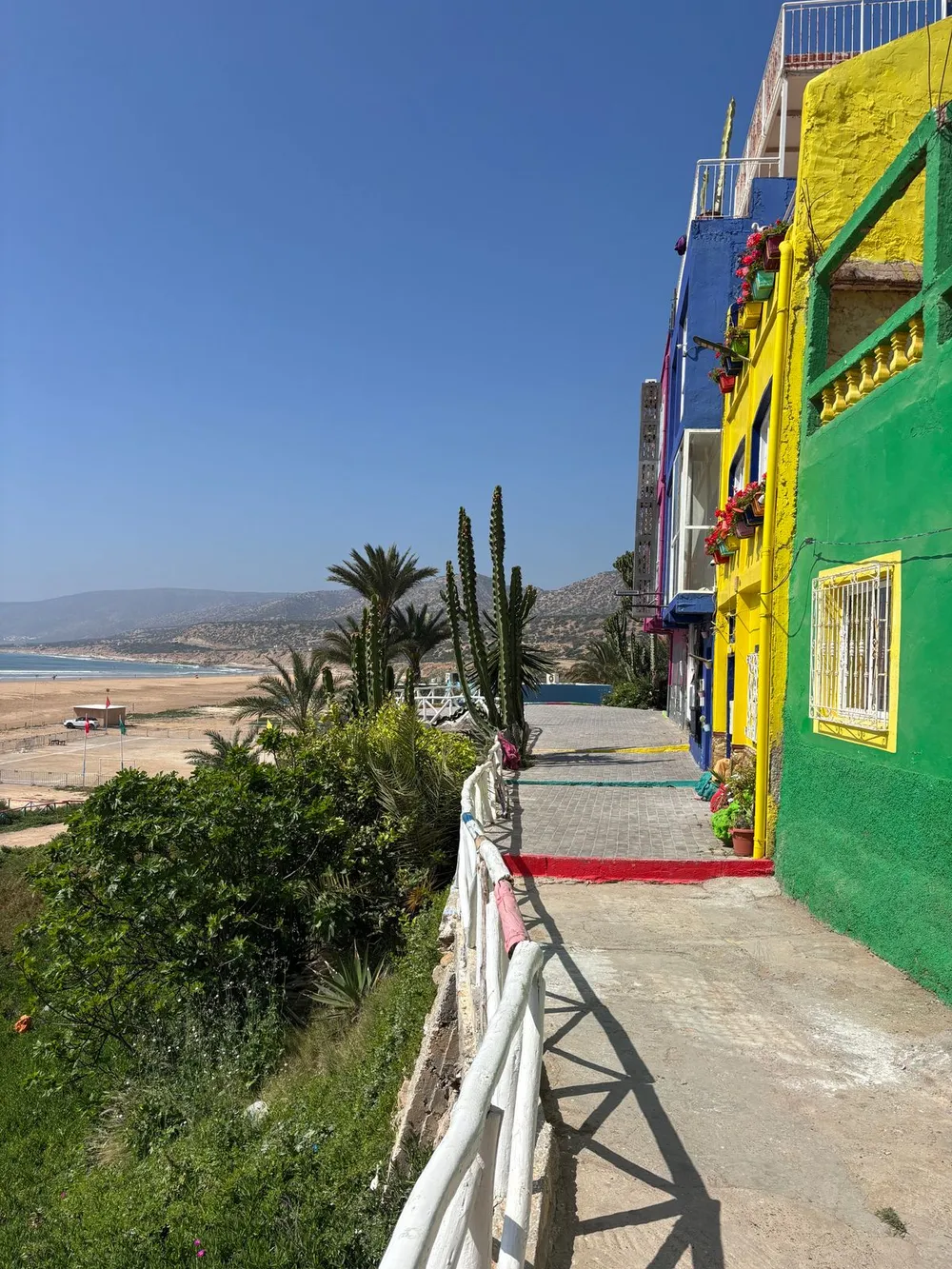
Now we leave Agadir itself. Taghazout is a separate coastal village north of the city, not an attraction inside Agadir. That distinction matters.
The village is strongly associated with surfing and has developed a tourism scene around surf camps, cafés, yoga, and coastal stays. Even if you do not surf, it can make an easy coastal excursion from Agadir.
But if surfing is one of the main reasons you came to this part of Morocco, consider staying in Taghazout rather than commuting there every day.
13. Take a Surf Lesson
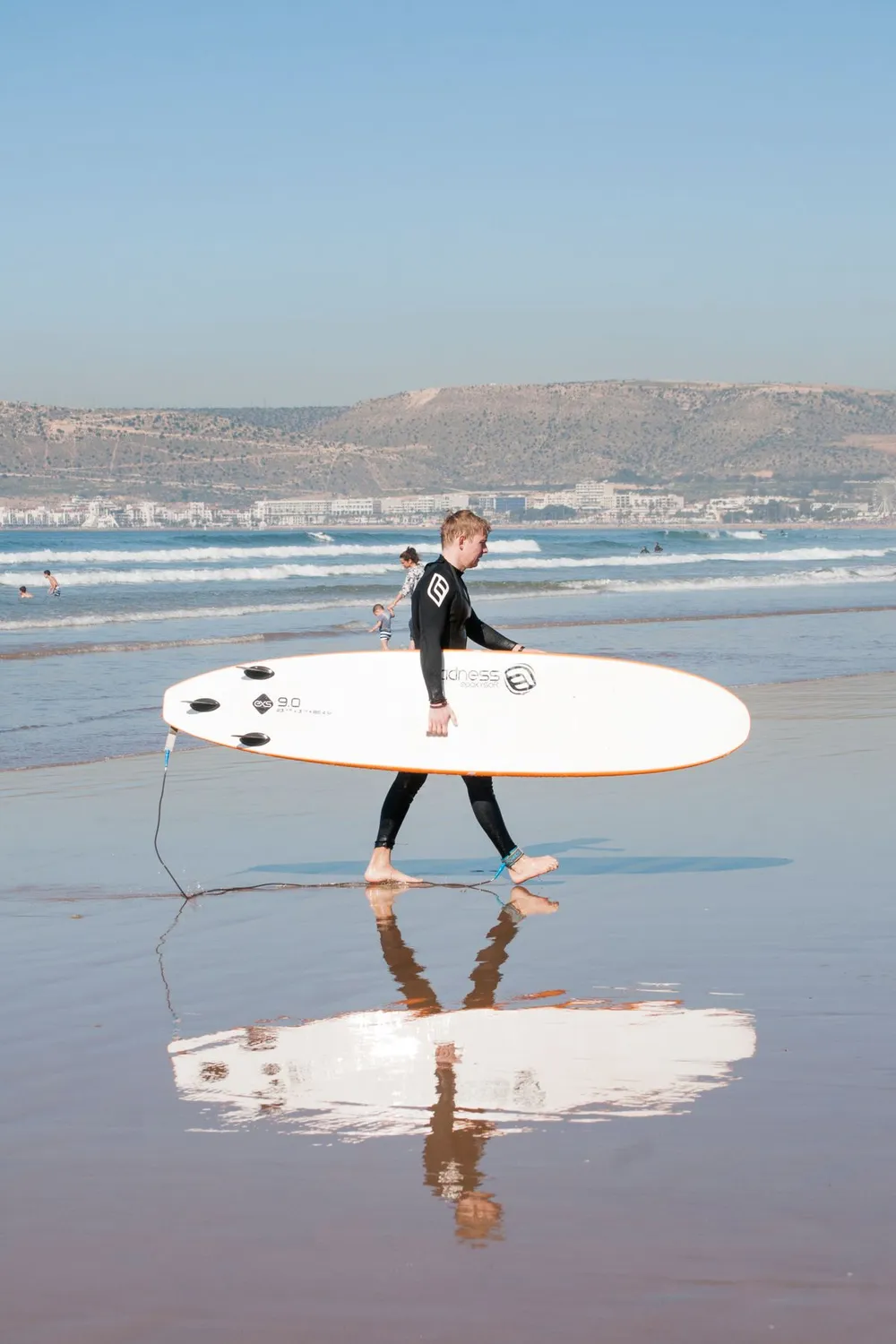
The Agadir-Taghazout coastline is one of Morocco’s best-known surfing areas.
Beginners can find surf schools offering lessons and equipment, while experienced surfers have access to a much wider range of breaks along the coast. Conditions depend on location, season, and swell. That means “best surf beach” is not one permanent answer for every traveler.
If you are a beginner, choose a reputable school that selects the day’s location according to conditions rather than simply booking equipment and entering unfamiliar water alone.
14. Take a Day Trip to Paradise Valley
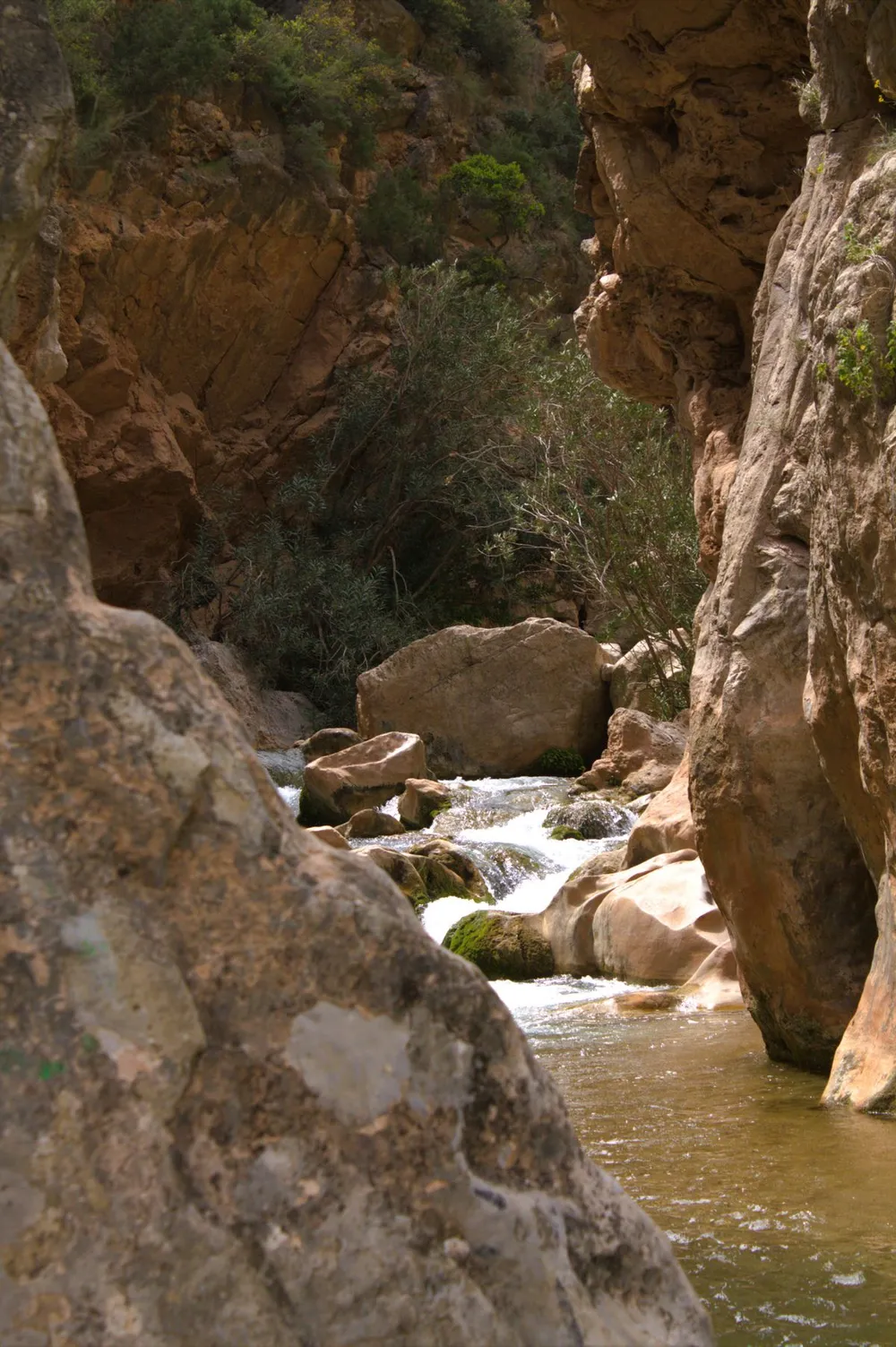
Paradise Valley is frequently marketed as an Agadir attraction, but it is actually an excursion into the surrounding landscape. The appeal is the change of scenery: palms, rocky terrain, and natural pools replace the broad urban beach.
But this is also one of those places where travel-blog photos can create unrealistic expectations. Water levels and swimming conditions can vary significantly with rainfall and season.
So do not plan the entire excursion around an assumption that every pool and waterfall will look exactly like a heavily edited photograph online. Treat it primarily as a nature outing, check recent conditions, wear suitable footwear, and carry water.
15. Explore Souss-Massa National Park
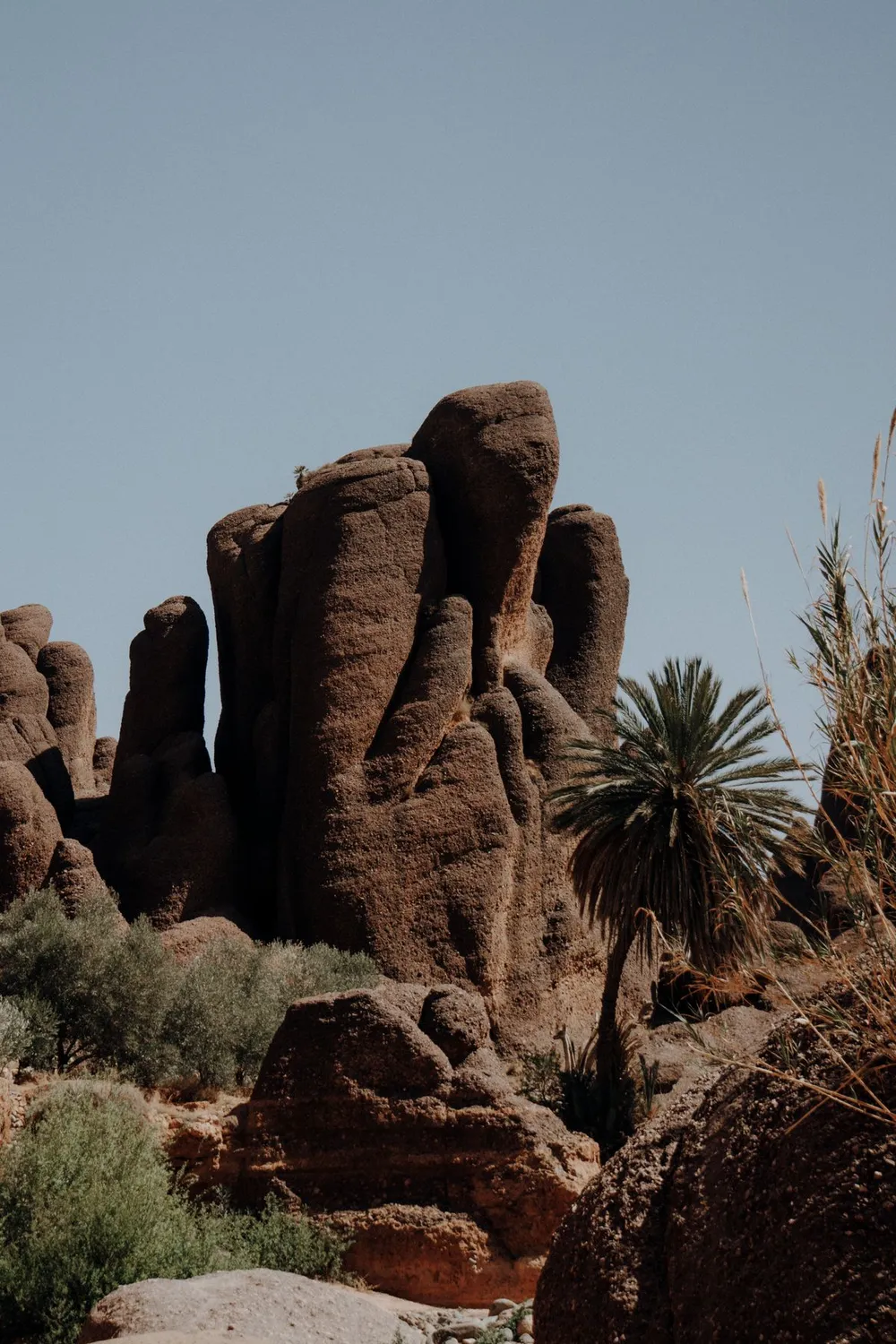
For something completely different from Agadir’s resort atmosphere, head south toward Souss-Massa National Park.
The protected area is particularly significant for birdlife, including the endangered northern bald ibis, and offers a nature-focused excursion from Agadir. This is not the same experience as an African big-game safari, despite the way some tours may use the word “safari” in their marketing.
Think instead in terms of coastal landscapes, wetlands, birdwatching, and conservation. If wildlife is a priority, research the particular part of the park you want to visit and whether a guide makes sense rather than simply typing “Souss-Massa” into your map and driving toward it.
How Many Days Do You Need in Agadir?
This depends much more on your travel style than on the number of attractions.
One day: Stay within Agadir (Souk El Had → Beach/Promenade → Cable Car → Agadir Oufella). That gives you a good introduction without spending half your day driving.
Two days: Use the first day for Agadir itself. On the second, choose one major excursion such as Taghazout or Paradise Valley.
Three days: You can slow the pace considerably:
- Day 1: Central Agadir + Souk El Had + beach
- Day 2: Oufella + cultural sights + relaxed afternoon
- Day 3: Taghazout, Paradise Valley, or Souss-Massa
Four or five days: This makes more sense if Agadir is also your beach holiday base, rather than if you are trying to see Morocco’s major cities quickly.
Is Agadir Worth Visiting?
Agadir makes sense if you want beaches, a relaxed base, modern tourism infrastructure, and access to Morocco’s southern Atlantic coast.
It is less suited to travelers whose main priority is spending every day surrounded by monumental historic architecture and medieval streets. That does not make Agadir less interesting. It simply gives it a different role in a Morocco itinerary.
For example, pairing Marrakech with Agadir can work precisely because the two destinations offer very different experiences.
Practical Information
Getting Around Agadir
Agadir is more spread out than destinations such as Chefchaouen, so you will not necessarily walk everywhere.
Petit taxis are useful for trips within the urban area. For destinations outside the city, transport depends on where you are going and may involve buses, grand taxis, private transfers, tours, or a rental car.
Avoid building your plans around fixed taxi prices from travel articles. Fares, traffic, and routes change. If a taxi uses a meter, make sure it is operating. If you are arranging a trip where a meter does not apply, establish the fare before leaving.
Best Time to Visit Agadir
Agadir’s Atlantic location gives it a relatively mild climate and makes it particularly attractive outside Morocco’s hottest inland periods.
But “300 days of sunshine” does not mean every winter afternoon will be 22°C or every beach day will have perfect swimming conditions. Coastal cloud, wind, and seasonal changes still matter.
For sightseeing, spring and autumn can offer a comfortable balance. Winter attracts travelers looking for milder weather than much of Europe, while summer works well for beach-focused trips but can be busier.
Frequently Asked Questions
What is Agadir best known for?
Agadir is primarily known for its Atlantic beach, modern resort infrastructure, waterfront, and access to the surrounding Souss-Massa coast. Souk El Had and Agadir Oufella provide very different sides of the city beyond the resort area.
Is Agadir worth visiting if I don't like beaches?
Potentially, but it would not be my reason for allocating many days there. You can visit Souk El Had, Oufella, and cultural attractions, while using Agadir as a base for surrounding destinations. Travelers focused mainly on historic medinas may prefer to give more time to other Moroccan cities.
Can you explore Agadir without a car?
Yes. Taxis and public transport can cover many city journeys, and organized transport is available for popular excursions. A car becomes more useful if you want flexibility for several destinations outside Agadir.
Is Agadir a good destination for families?
It can be particularly convenient for families because beach time can be mixed with attractions such as Crocoparc and relatively relaxed sightseeing.
Can you visit Taghazout from Agadir?
Yes. Taghazout is north of Agadir and can be visited separately. If surfing is central to your trip, staying there for part of your visit may be more practical.
How many days should you spend in Agadir?
For sightseeing alone, two or three days can cover the main city experiences plus an excursion. Longer stays make more sense when Agadir is also being used as a beach or relaxation base.
Final Thoughts
Agadir works best when you do not expect it to behave like Marrakech or Fes.
Come for the Atlantic coast, walk through Souk El Had, learn what happened to the old city, climb to Agadir Oufella, and watch modern Agadir spread out below you. Then use the city as a gateway.
Taghazout changes the atmosphere completely. Paradise Valley takes you inland. Souss-Massa replaces beach resorts with protected landscapes and wildlife. That combination — modern city + Atlantic coast + easy access to nature — is what gives Agadir its place in a wider Morocco itinerary.