Kasbah des Oudayas Guide: Secret Spots, Mint Tea & History
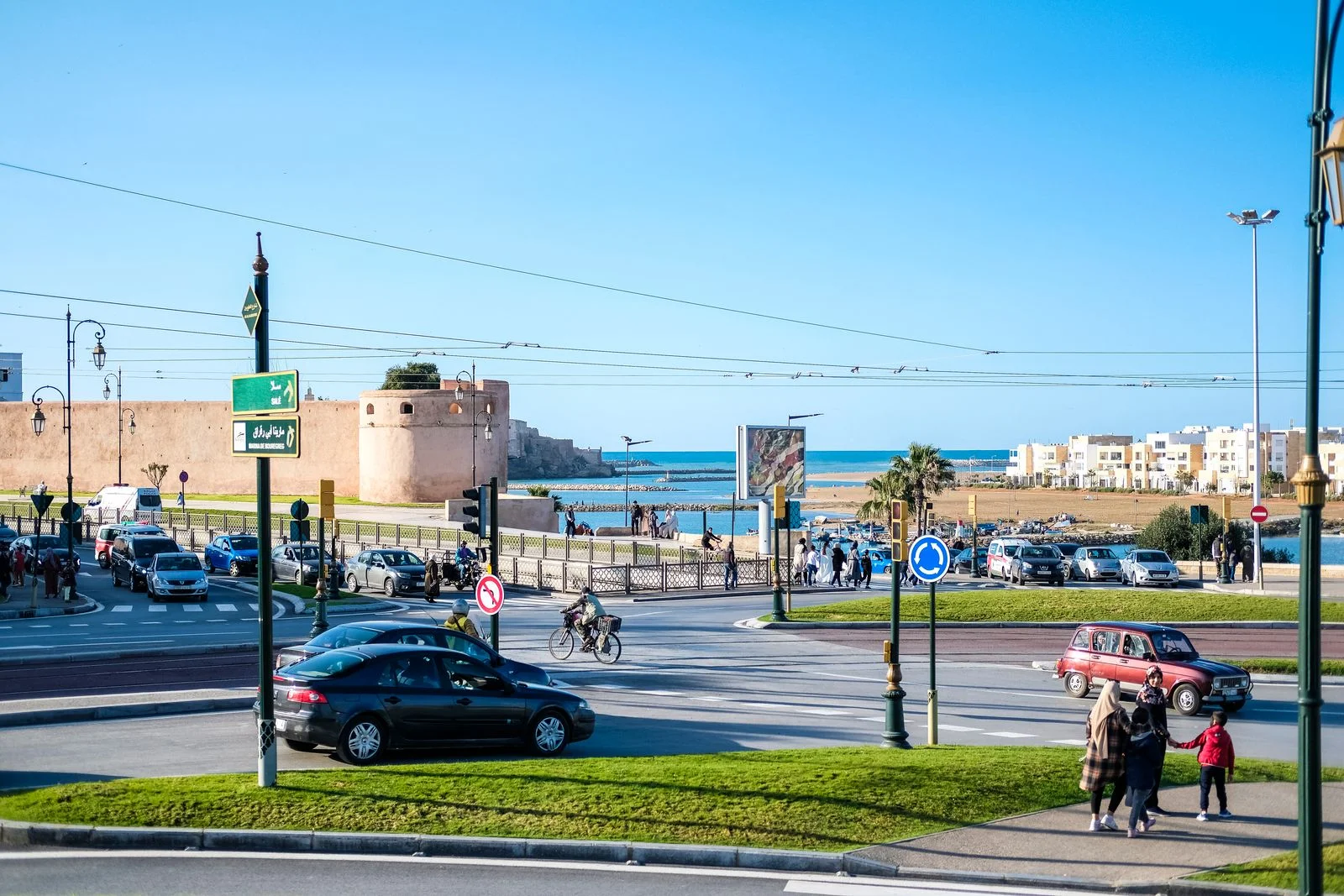
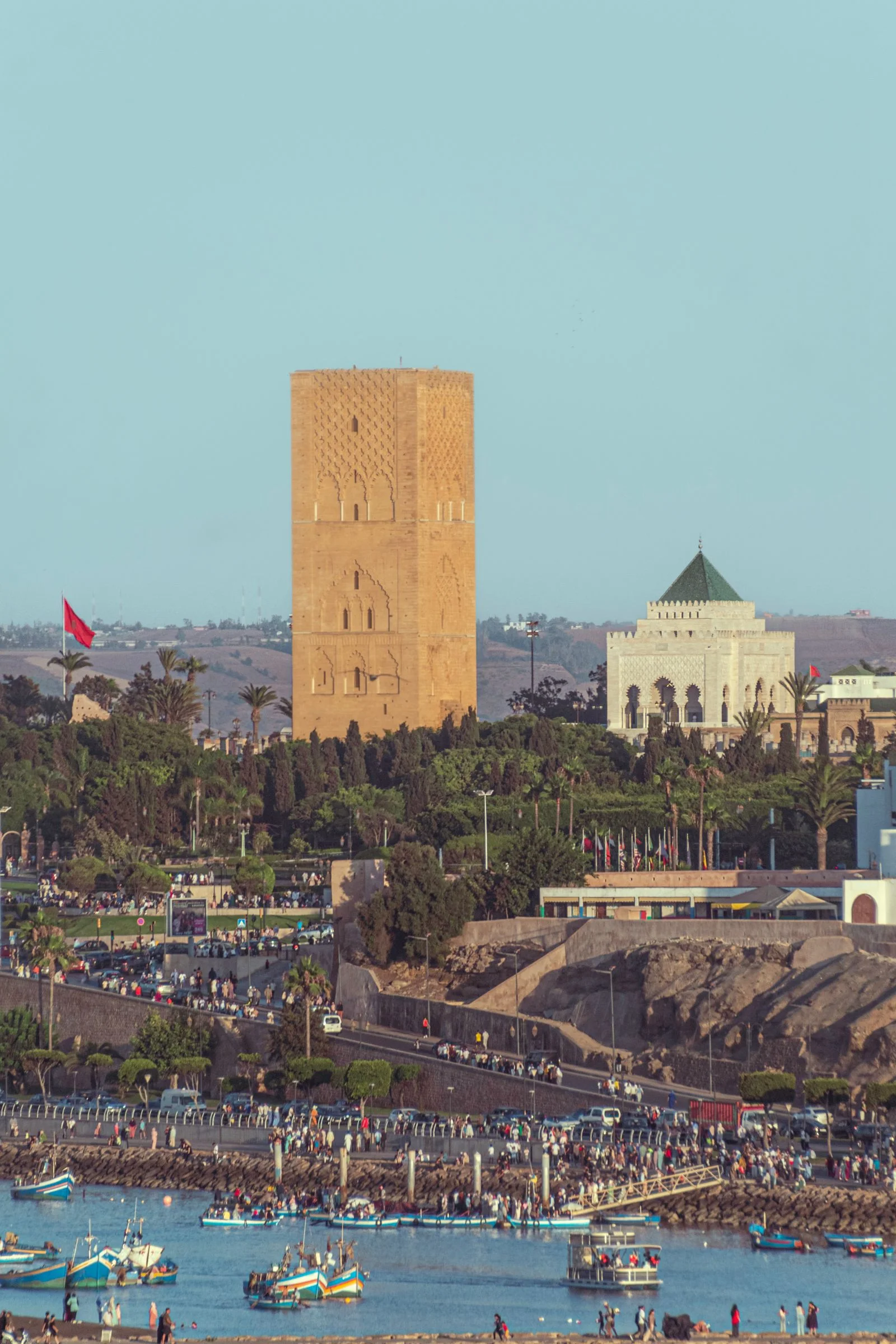
Perched high on a rocky cliff where the Bouregreg River flows into the Atlantic Ocean, the Kasbah des Oudayas (also spelled Kasbah of the Udayas) is Rabat’s most romantic and famous neighborhood.
With its washed blue-and-white residential alleys, Andalusian gardens, and ancient Almohad ramparts, the Kasbah offers a glimpse into medieval Morocco without the chaos of larger medinas.
Here is your complete guide to visiting the Kasbah des Oudayas — including its history of pirate republics, hidden photo spots, café recommendations, and how to avoid fake guides.
A Brief History: From Pirate Haven to UNESCO Citadel
The Almohad Origins (12th Century)
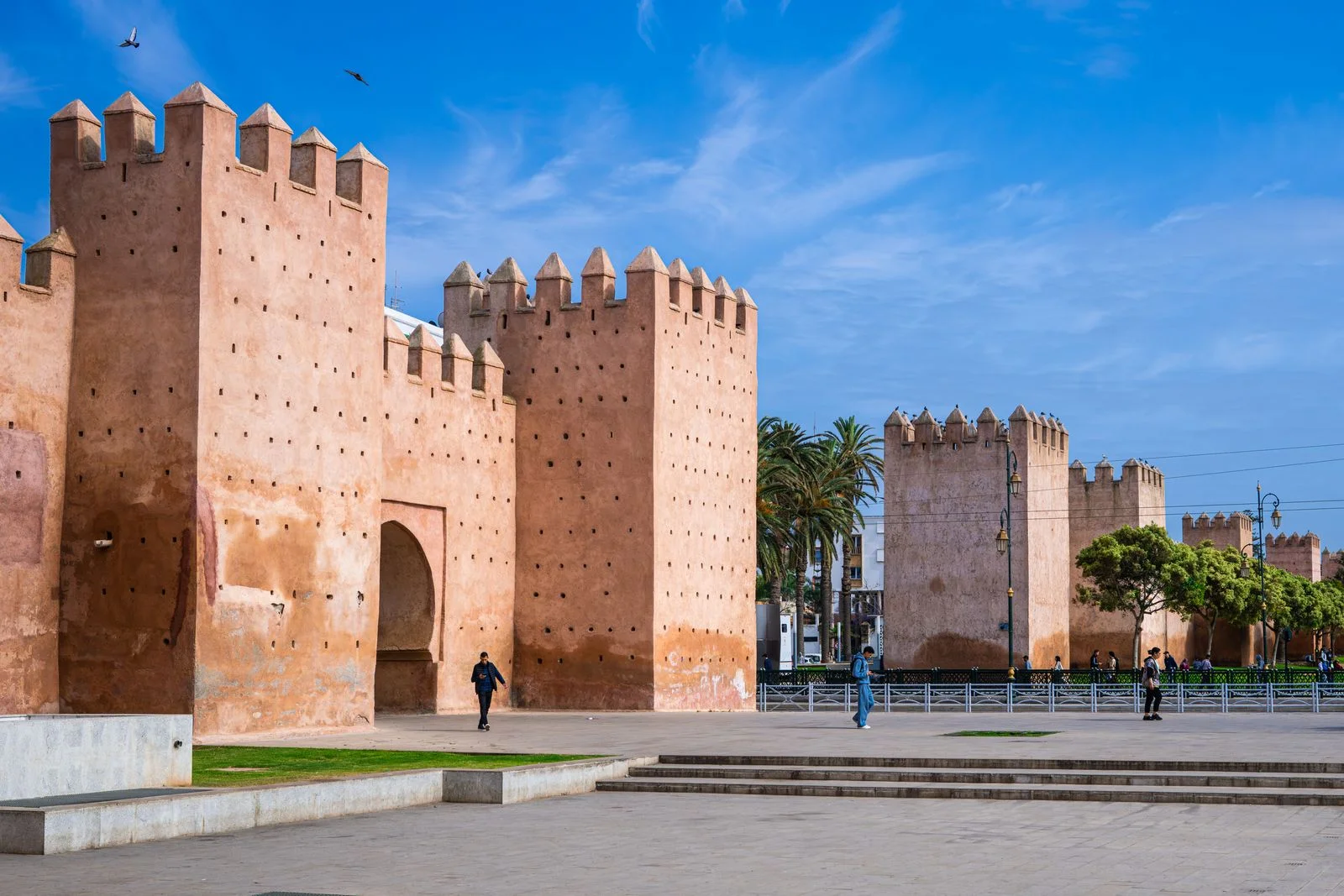
The Kasbah was originally founded in the 12th century by the Almohad Dynasty as a military fortress (ribat). Sultan Abd al-Mu’min built the fortress to launch military expeditions into Andalusian Spain and defend the mouth of the Bouregreg River.
The Republic of Bouregreg & Pirate Corsairs (17th Century)
In 1609, King Philip III of Spain expelled thousands of Muslim refugees (Moriscos) from Spain. Many settled in the Kasbah des Oudayas, bringing Andalusian architectural techniques.
During this era, the Kasbah declared independence and formed the legendary Republic of Bouregreg — a self-governing pirate republic! Barbary corsairs (pirates) based in the Kasbah raided European merchant ships across the Atlantic, holding captured sailors for ransom and amassing immense wealth.
UNESCO World Heritage Designation
In 2012, UNESCO declared the Kasbah des Oudayas a World Heritage site, recognizing its exceptional preservation of Islamic and Andalusian urban architecture.
What to See & Do Inside the Kasbah
1. Bab Oudaia Gate
The main entrance to the Kasbah is Bab Oudaia, built in 1195. It is considered one of the finest examples of Almohad stone carving in North Africa. Take time to admire the carved Kufic Arabic inscriptions, geometric arch motifs, and massive wooden doors.
2. The Blue-and-White Residential Alleys
Unlike Chefchaouen, where walls are painted in bright cobalt blue, the Kasbah des Oudayas features a clean two-tone palette: lower walls painted in soft cobalt blue and upper walls in Mediterranean white.
- Key Streets to Explore: Rue Jamaa (home to Rabat’s oldest mosque, built in 1150) and Rue Bahi.
- Respect Local Privacy: Remember that families live in these homes; keep noise low and avoid photographing open doorways.
3. The Andalusian Gardens
Located at the foot of the palace walls, these peaceful gardens were laid out during the French Protectorate in the early 20th century. Shaded by citrus trees, date palms, and bougainvillea vines, the courtyard features traditional geometric irrigation channels and terracotta pathways.
4. Café des Oudaïas
Perched directly over the mouth of the river, this iconic open-air café terrace offers magnificent views of Salé, the Bouregreg river, and Atlantic ocean waves.
- What to order: Fresh hot mint tea (10–15 MAD) accompanied by traditional almond cookies (cornes de gazelle).
- Best time: Arrive around 4:30 PM to secure a terrace seat before sunset.
5. Plateforme du Sémaphore (Ocean Viewpoint)
Walk to the northernmost tip of the Kasbah to reach the Plateforme du Sémaphore. This open stone terrace once held pirate cannons. Today, it offers panoramic 360-degree views of the Atlantic Ocean, the Bouregreg jetty, and Rabat’s beach.
Secret Photo Spots in the Kasbah
- Bab Oudaia Archway: Frame your shot looking through the stone archway into the blue alleyways beyond.
- Rue Jamaa Staircase: A narrow blue-and-white stone staircase decorated with potted plants.
- Upper Rampart Wall: Walk along the outer wall for a postcard photo of the Bouregreg Marina below.
Common Scams & Touts to Avoid
- Fake Gate Guides: Men standing near Bab Oudaia will tell you “The Kasbah is closed for private events” or “You need a certified guide to enter.” Fact: The Kasbah is a public residential area open 24/7 for free. Politely decline and walk straight past.
- Henna Touts: Women carrying henna bottles may grab your hand to draw a sample. Politely pull your hand back and say “Non, merci” to avoid unwanted requests for money.
Practical Information for Visitors
- Entry Ticket: Free.
- Opening Hours: Citadel neighborhood is open 24/7; Andalusian Gardens open 8:00 AM – 6:00 PM.
- How to Get There: Take Tramway Line 1 to Al Joulane or Medina, or take a 10 MAD Petit Taxi from Rabat-Ville station.