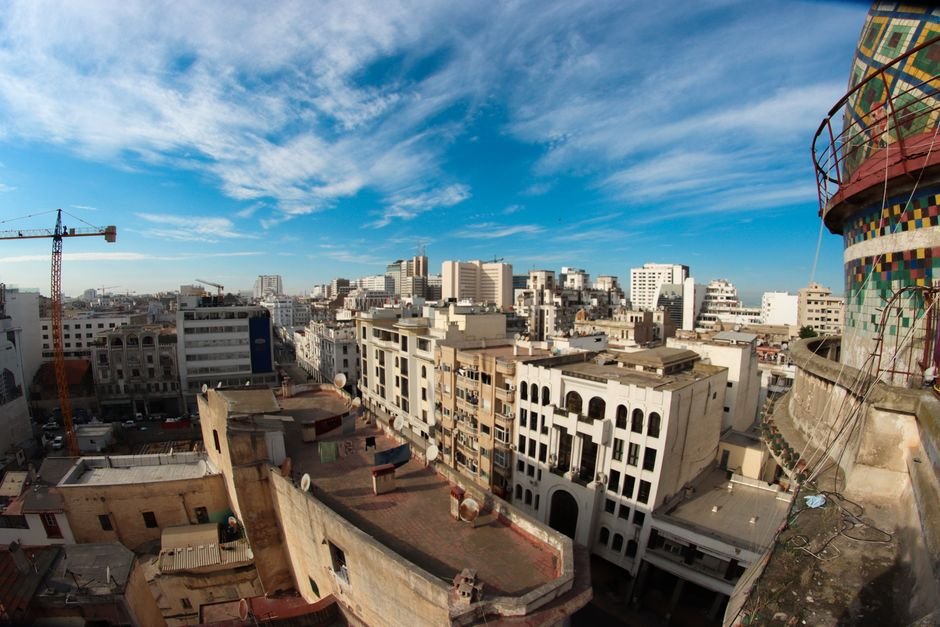
Located on the northwest coast of Africa, Casablanca is Morocco’s largest city and a melting pot of cultures. From its rich history to its vibrant local culture, Casablanca has something for everyone. In this ultimate Casablanca itinerary, we’ll take you on a journey through the city’s most iconic landmarks, hidden gems, and cultural experiences.

Casablanca has a fascinating history that spans over 900 years, with influences from the Romans, Moors, and French. The city’s name ‘Casablanca’ is derived from the Arabic phrase ‘Dâr al-Baiḍa,’ meaning ‘white house.’ The city’s most iconic landmark, the Hassan II Mosque, is one of the largest mosques in the world and a testament to Morocco’s rich cultural heritage.
The mosque’s stunning architecture and beautiful tile work are a must-see for any visitor. The mosque is also an important cultural center, hosting various events and exhibitions throughout the year. Visitors can take a guided tour of the mosque, which includes a visit to the prayer hall, the mihrab, and the minaret.
Cultural Experiences
In addition to its rich history and stunning architecture, Casablanca is also known for its vibrant local culture. The city is home to a diverse range of communities, including Arabs, Berbers, and Europeans. Visitors can experience the city’s cultural diversity by visiting the various markets and souks (markets).
One of the most famous markets in Casablanca is the Central Market, also known as the Marché Central. The market is a sensory overload, with vendors selling everything from fresh produce to handmade crafts. Visitors can try local delicacies, such as grilled meats and street food, and shop for souvenirs and gifts.
Another cultural experience not to be missed is a visit to the Mohammed V Square, a historic square that was once the site of a French colonial-era building. The square is now home to a beautiful fountain and a statue of Mohammed V, the former king of Morocco. Visitors can take a stroll around the square and take in the city’s vibrant atmosphere.
For a truly immersive cultural experience, visitors can attend a traditional Moroccan dinner at a local restaurant. The dinner typically includes a range of local dishes, such as tagine, couscous, and pastilla. Visitors can also try local drinks, such as mint tea and coffee, and enjoy traditional music and dance performances.
Accommodation
When it comes to accommodation in Casablanca, visitors have a range of options to choose from. From luxurious hotels to budget-friendly guesthouses, there’s something for every budget and preference.
One of the most luxurious hotels in Casablanca is the Four Seasons Hotel Casablanca. The hotel is located on the city’s iconic Corniche and offers stunning views of the Atlantic Ocean. The hotel’s rooms are elegantly decorated and feature all the modern amenities, including a private balcony and a marble bathroom.
Another highly-recommended hotel is the Hilton Casablanca, a 5-star hotel that offers comfortable rooms and a range of amenities, including a fitness center and a spa. The hotel is located in the heart of the city and is within walking distance of the city’s main attractions.
For a more budget-friendly option, visitors can consider staying at a guesthouse or a riad (a traditional Moroccan house with an interior garden). The Riad Fes is a beautiful guesthouse that is located in the heart of the city and offers comfortable rooms and a range of amenities, including a pool and a restaurant.
Daily Itinerary
Here’s a suggested daily itinerary for visitors to Casablanca:
Day 1: Explore the Hassan II Mosque and the Mohammed V Square
Start the day with a visit to the Hassan II Mosque, one of the largest mosques in the world. Take a guided tour of the mosque and learn about its stunning architecture and beautiful tile work.
After the mosque, head to the Mohammed V Square, a historic square that was once the site of a French colonial-era building. Take a stroll around the square and take in the city’s vibrant atmosphere.
Day 2: Visit the Central Market and the Corniche
Start the day with a visit to the Central Market, also known as the Marché Central. The market is a sensory overload, with vendors selling everything from fresh produce to handmade crafts. Try local delicacies, such as grilled meats and street food, and shop for souvenirs and gifts.
After the market, head to the Corniche, a scenic waterfront area that offers stunning views of the Atlantic Ocean. Take a stroll along the Corniche and enjoy the city’s vibrant atmosphere.
Day 3: Explore the Old Town and the Habbous District
Start the day with a visit to the Old Town, a historic area that dates back to the 14th century. Explore the narrow streets and alleyways and visit the various mosques, madrasas, and souks.
After the Old Town, head to the Habbous District, a charming neighborhood that is home to a range of traditional shops and restaurants. Take a stroll around the district and enjoy the city’s vibrant atmosphere.
Day 4: Visit the Mohammed V Mausoleum and the Place des Nations Unies
Start the day with a visit to the Mohammed V Mausoleum, a beautiful building that was constructed in memory of the former king of Morocco. Take a guided tour of the mausoleum and learn about its history and significance.
After the mausoleum, head to the Place des Nations Unies, a historic square that was once the site of a French colonial-era building. Take a stroll around the square and take in the city’s vibrant atmosphere.
Transportation
Casablanca is a relatively small city, and most of its main attractions are within walking distance. However, visitors can also use public transportation or take taxis to get around the city.
The city’s public transportation system includes buses, trams, and taxis. Visitors can purchase a day pass or a tourist pass, which allows them to travel on all forms of public transportation.
Another option is to take a taxi, which is a convenient and affordable way to get around the city. Taxis are readily available at the airport and in the city center.
Visitors can also use ride-hailing services, such as Uber or Careem, which are widely available in the city.
Food
Casablanca is known for its delicious cuisine, which is a fusion of Moroccan and French flavors. Visitors can try local delicacies, such as tagine, couscous, and pastilla, at one of the many restaurants in the city.
One of the most famous restaurants in Casablanca is the Le Foundouk, a French-Moroccan restaurant that serves a range of local and international dishes. The restaurant is located in a beautifully restored 19th-century building and offers stunning views of the city.
Another highly-recommended restaurant is the Al Fassia, a women-run restaurant that serves traditional Moroccan cuisine. The restaurant is located in a beautifully restored riad and offers a range of local dishes, including tagine and couscous.
Visitors can also try local street food, such as grilled meats and pastries, at one of the many markets and souks in the city.
Safety
Casablanca is generally a safe city, but visitors should take some precautions to ensure their safety. Here are some tips:
Be mindful of pickpocketing and petty theft, particularly in crowded areas and markets.
Be respectful of local customs and traditions, particularly when visiting mosques and other cultural sites.
Be aware of your surroundings and avoid walking alone in dimly lit areas at night.
Use reputable taxi companies and ride-hailing services, and always negotiate the price before you start your journey.
Finally, be mindful of your belongings and keep an eye on your bags and luggage at all times.