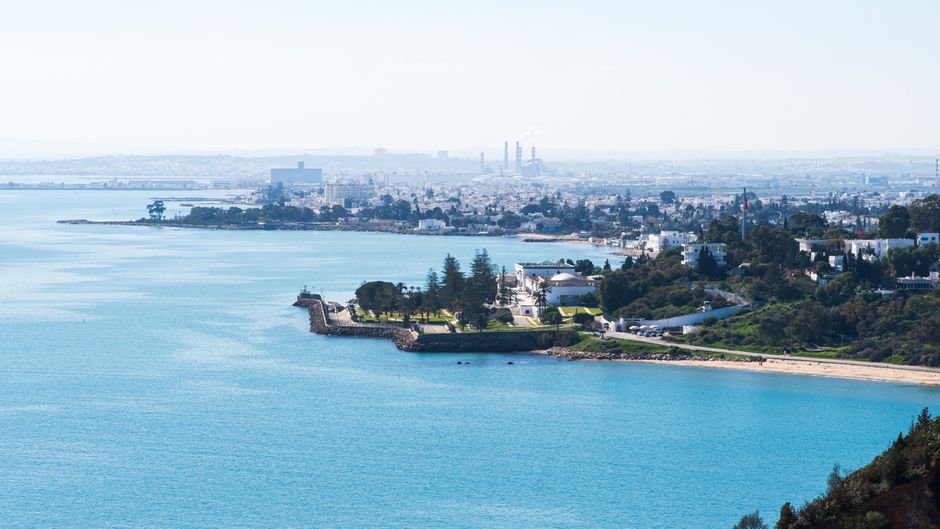
Tunisia, a country located in the Maghreb region of North Africa, is a land of rich history and vibrant culture. From the ancient Phoenicians to the modern-day Tunisians, the people of this beautiful country have left an indelible mark on the world. With its breathtaking Mediterranean coastline, lush forests, and arid deserts, Tunisia is a traveler’s paradise. In this article, we will explore the ultimate Tunis itinerary, a 10-day journey that will take you through the best of Tunisia, from its stunning architecture to its delicious cuisine, from its breathtaking landscapes to its rich history.

Day 1: Arrival in Tunis and Exploration of the Medina
We arrived in Tunis, the capital city of Tunisia, on a sunny Wednesday morning. After checking into our hotel, the Hotel El Mouradi Gammarth (approximately $80 per night), we headed straight to the Medina, the ancient walled city of Tunis. As we walked through the narrow streets, we were struck by the vibrant colors and the intricate architecture. We stopped at the Grand Mosque, the largest mosque in Tunisia, and marveled at its stunning frescoes and intricate calligraphy.
Day 2: Explore the Bardo Museum and the National Museum of Carthage
After a leisurely breakfast at the hotel, we headed to the Bardo Museum, home to the world’s largest collection of Roman mosaics. We spent the morning exploring the museum’s extensive collection of artifacts, including mosaics, sculptures, and ceramics. In the afternoon, we visited the National Museum of Carthage, a UNESCO World Heritage Site. We were fascinated by the museum’s collection of artifacts, which included ancient coins, pottery, and textiles.
Day 3: Explore the Roman Ruins of Dougga and the Phoenician Port of Utica
On the third day of our trip, we traveled to the ancient city of Dougga, located in the north of Tunisia. As we explored the Roman ruins, we were struck by the sheer scale and grandeur of the city. We visited the impressive amphitheater, the temples, and the forum, and were fascinated by the history of the city. In the afternoon, we traveled to the Phoenician port of Utica, a UNESCO World Heritage Site. We were amazed by the stunning ruins, which included ancient temples, tombs, and a massive stone anchor.
Day 4: Explore the Djerba Island
On the fourth day of our trip, we traveled to the beautiful island of Djerba, located off the coast of Tunisia. We were struck by the island’s stunning beaches, crystal-clear waters, and lush forests. We spent the day exploring the island’s charming villages, including the town of Houmt Souk, and were fascinated by the local culture and traditions.
Day 5: Explore the Ancient City of Sbeitla
On the fifth day of our trip, we traveled to the ancient city of Sbeitla, located in the south of Tunisia. As we explored the ruins, we were struck by the sheer scale and grandeur of the city. We visited the impressive temples, the forum, and the theater, and were fascinated by the history of the city.
Day 6: Explore the Sahara Desert
On the sixth day of our trip, we traveled to the Sahara Desert, one of the most stunning landscapes in the world. We took a 4×4 vehicle and headed into the desert, where we saw stunning sand dunes, oases, and local Berber villages. We spent the day exploring the desert and were struck by its sheer beauty and tranquility.
Day 7: Explore the Ancient City of El Jem
On the seventh day of our trip, we traveled to the ancient city of El Jem, located in the south of Tunisia. As we explored the ruins, we were struck by the sheer scale and grandeur of the city. We visited the impressive amphitheater, the temples, and the forum, and were fascinated by the history of the city.
Day 8: Explore the Roman Ruins of Le Kef
On the eighth day of our trip, we traveled to the ancient city of Le Kef, located in the north of Tunisia. As we explored the ruins, we were struck by the sheer scale and grandeur of the city. We visited the impressive amphitheater, the temples, and the forum, and were fascinated by the history of the city.
Day 9: Explore the Phoenician Port of Carthage
On the ninth day of our trip, we traveled to the Phoenician port of Carthage, a UNESCO World Heritage Site. We were amazed by the stunning ruins, which included ancient temples, tombs, and a massive stone anchor.
Day 10: Departure from Tunis
After a leisurely breakfast at the hotel, we headed to the airport for our departure flight. As we left Tunisia, we were struck by the beauty and richness of the country and its people. We knew that we would always treasure the memories of our journey through Tunisia.
Tunisia is a country with a rich history and vibrant culture. From the ancient Phoenicians to the modern-day Tunisians, the people of this beautiful country have left an indelible mark on the world. With its breathtaking Mediterranean coastline, lush forests, and arid deserts, Tunisia is a traveler’s paradise. Whether you’re interested in history, culture, architecture, or simply relaxing on a beautiful beach, Tunisia has something for everyone.
Getting Around Tunisia
Tunisia has a well-developed transportation system, including buses, trains, and taxis. However, the best way to get around the country is by car. We rented a 4×4 vehicle and drove to many of the destinations on our itinerary. The roads in Tunisia are generally good, but can be narrow and winding in some areas. It’s also worth noting that driving in Tunisia can be challenging, especially for tourists who are not familiar with the local roads and customs.
Food and Drink in Tunisia
The food in Tunisia is delicious and varied, with a mix of Mediterranean, Arab, and Berber influences. Some of the popular dishes include couscous, harira (a hearty soup), and brik (a pastry filled with tuna or eggs). The traditional Tunisian cuisine is based on local ingredients, including olives, olive oil, and dates. We also tried some of the local desserts, including makroud (a rich pastry filled with dates and nuts) and ghriba (a sweet pastry filled with almonds and honey).
Accommodation in Tunisia
Tunisia has a wide range of accommodation options, from budget-friendly guesthouses to luxury hotels. We stayed in a mix of hotels and guesthouses, including the Hotel El Mouradi Gammarth (approximately $80 per night) and the Dar El Annabi (approximately $30 per night). The hotels in Tunisia are generally clean and comfortable, with good amenities and services. However, it’s worth noting that some of the hotels may not have air conditioning or other modern amenities.
Safety in Tunisia
Tunisia is generally a safe country to visit, with low levels of crime and violence. However, as with any country, there are areas that are considered safer than others. We took precautions to ensure our safety, including renting a car with a reliable driver and avoiding traveling at night. We also made sure to research our destinations and stay informed about local conditions.
Conclusion
Tunisia is a country with a rich history and vibrant culture. From the ancient Phoenicians to the modern-day Tunisians, the people of this beautiful country have left an indelible mark on the world. With its breathtaking Mediterranean coastline, lush forests, and arid deserts, Tunisia is a traveler’s paradise. Whether you’re interested in history, culture, architecture, or simply relaxing on a beautiful beach, Tunisia has something for everyone.