Best Moroccan Food Guide: 10 Traditional Dishes You Must Try (2026)
Moroccan cuisine is world-renowned for its rich aromatic spices, slow-cooked savory tagines, delicate pastries, and vibrant Mediterranean flavors. This comprehensive moroccan food guide takes you on an authentic culinary journey through imperial street food markets, ancient Medina eateries, and traditional family recipes.
Whether you are sipping sweet mint tea f Marrakech or sampling fresh seafood along the Atlantic coast, understanding local food culture enhances your travel experience. If you are currently planning a cultural trip across Morocco’s spiritual capitals, check out our detailed Fes itinerary guide to combine historical sightseeing with food tasting tours.
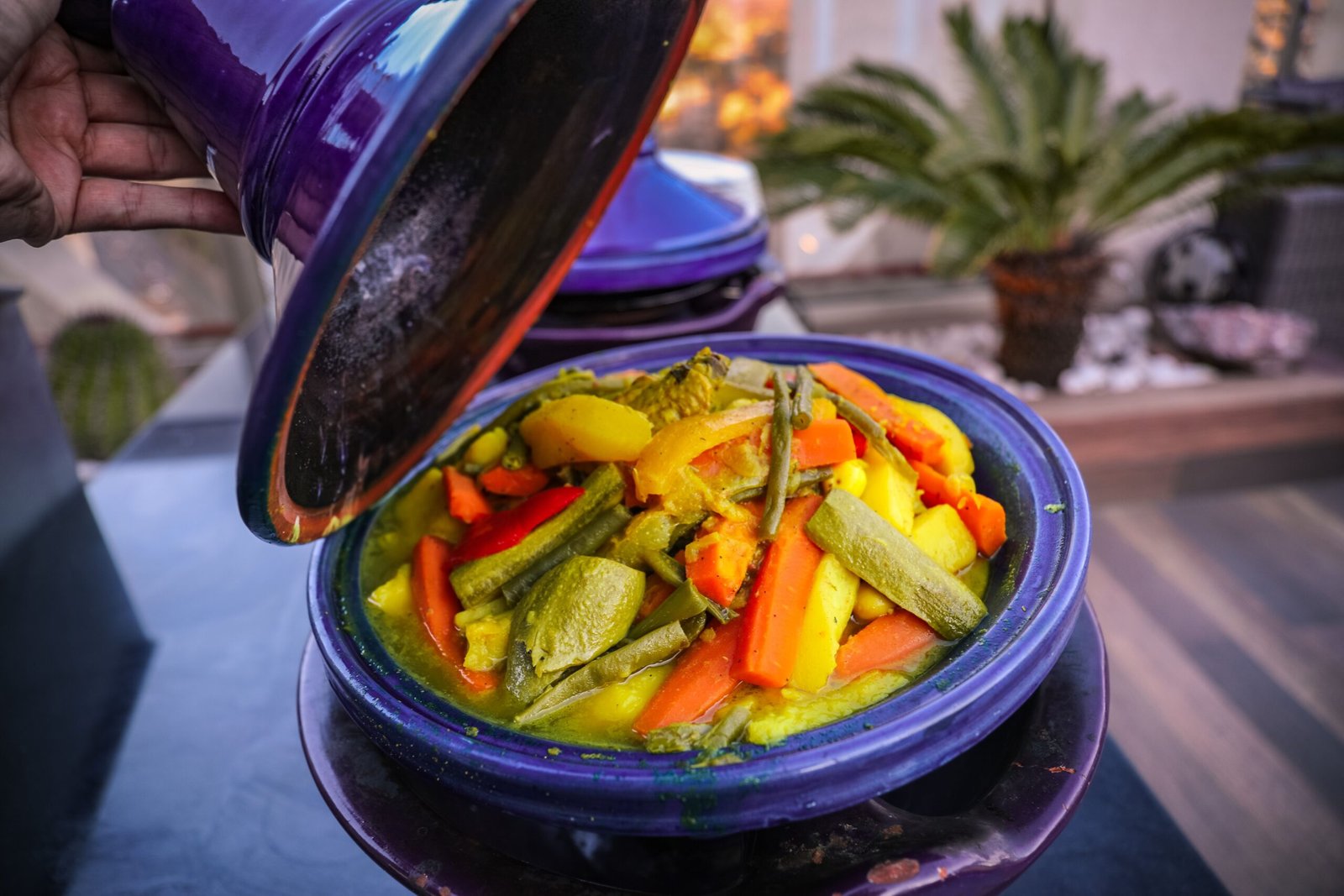
A traditional Moroccan tagine served with fresh bread and authentic aromatic spices.
Iconic Slow-Cooked Tagines & Couscous
At the heart of Moroccan dining lies the conical clay pot known as the tagine. Recognized on the official UNESCO Intangible Cultural Heritage list, Moroccan food customs emphasize shared meals and slow culinary preparation:
- Lamb Tagine with Prunes: Tender slow-cooked lamb garnished with sweet caramelized prunes, toasted almonds, sesame seeds, and saffron.
- Chicken Tagine with Preserved Lemons: Succulent chicken simmered with tangy preserved lemons, green olives, ginger, and fresh coriander.
- Seven-Vegetable Couscous: Fluffy steamed semolina grains served on Fridays, piled high with tender beef, pumpkin, carrots, zucchini, and chickpeas.
Famous Moroccan Street Food & Savory Pastries
Exploring bustling Medina markets offers an unforgettable sensory experience. Any complete moroccan food guide must highlight these popular street-side delicacies:
- Pastilla (Bastilla): A famous sweet and savory pie made of paper-thin warqa pastry stuffed with spiced shredded chicken or pigeon, roasted almonds, cinnamon, and powdered sugar.
- Harira Soup & Chebakia: A rich tomato and lentil soup infused with herbs, traditionally paired with honey-coated sesame pastries called Chebakia.
- Msemen & Beghrir: Traditional flatbreads and honeycomb pancakes served warm with honey, melted butter, or goat cheese during breakfast.
Fresh Coastal Seafood & Mint Tea Traditions
Along coastal cities like Essaouira and Tangier, fresh fish plays a major role in daily menus. Grilled sardines marinated in garlic-herb charmoula sauce remain an affordable local staple.
No meal f Morocco ends without drinking Atay—traditional green tea infused with fresh spearmint leaves and generous amounts of sugar. Poured from high above the glass to create a delicate foam, mint tea symbolizes North African hospitality.
Essential Food Safety & Dining Etiquette
Sampling authentic dishes f local markets requires simple precautions to ensure a comfortable journey:
- Choose Busy Vendors: Eat at popular stalls with high local customer turnover where food is cooked fresh at high heat.
- Bottled Water: Stick to sealed bottled mineral water for daily drinking and brushing teeth f rural areas.
- Hand Washing Routine: Moroccan meals are traditionally eaten using the thumb and first two fingers of the right hand alongside fresh crusty bread (Khobz).
Frequently Asked Questions
What is the most famous national dish f Morocco?
Couscous and Tagine are widely considered Morocco’s most famous national dishes, enjoyed f households and restaurants daily across the country.
Is Moroccan food spicy hot?
No, Moroccan food is aromatic rather than spicy hot. Dishes rely on warm spices like cumin, cinnamon, saffron, and paprika rather than intense chili peppers.
How much does a typical meal cost f Morocco?
A street food snack or local dish costs between $2 to $5 USD, while a full dinner at a mid-range restaurant ranges from $10 to $20 USD per person.
Conclusion
Using this ultimate moroccan food guide ensures you taste the finest flavors North Africa has to offer. Bon Appétit w b-s7a w r-ra7a!