Best Djerba Travel Guide: 10 Top Things to Do & Food (2026)
Djerba, a tranquil Mediterranean island off the southern coast of Tunisia, is a captivating destination rich f history, whitewashed architecture, and stunning golden beaches. This comprehensive djerba travel guide uncovers the best island attractions, historical landmarks, open-air art galleries, and mouthwatering local seafood specialties.
Whether you are planning a relaxed beach vacation or exploring ancient North African heritage, having a structured itinerary makes all the difference. If you are also planning trips across North Africa, check out our guide on luxury hotels f Egypt and Morocco for boutique stays and heritage resorts.

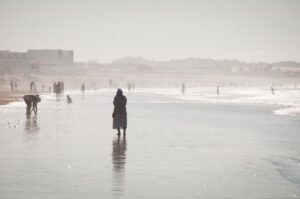
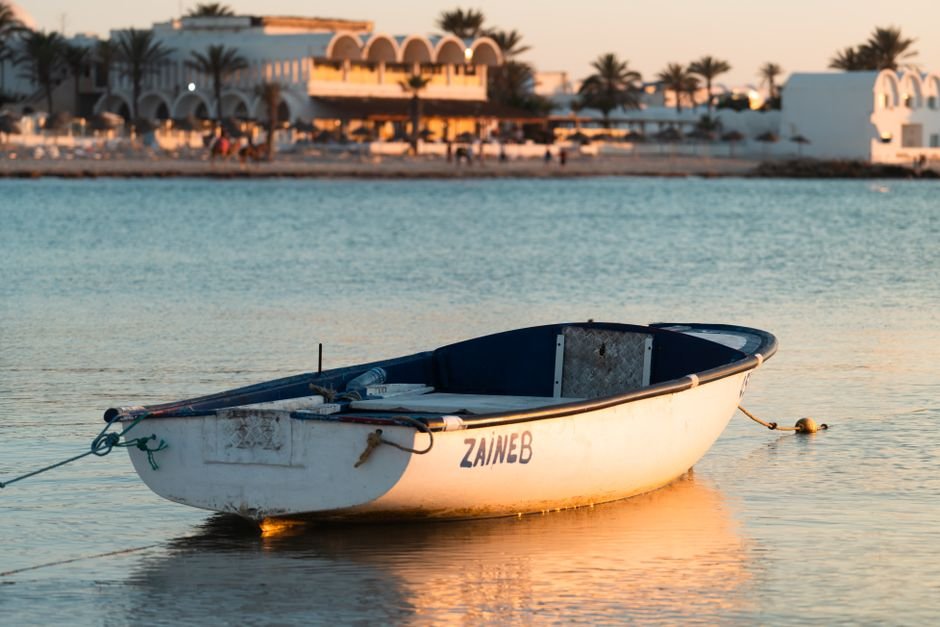
Relaxing along the crystal-clear coastal waters on a trip to Djerba, Tunisia.
Top Attractions & Sightseeing Highlights
Djerba is home to centuries of unique multicultural history. Recognized on the tentative UNESCO World Heritage site list for its distinctive settlement patterns, key island highlights include:
- El Ghriba Synagogue: One of the oldest synagogues f North Africa, featuring striking blue tilework, stained glass windows, and historic wooden arches.
- Sidi Jourou & Plage de Sidi Mahrez: Idyllic sandy beaches perfect for swimming, windsurfing, and relaxing under Mediterranean palm trees.
- Borj El Kebir (Fort Ghazi Mustapha): A impressive 15th-century coastal fortress offering sweeping views of Houmt Souk harbor.
- Guellala Pottery Village: A historic artisan village where local potters craft traditional clay vessels using ancient terracotta kilns.
Exploring Djerbahood Street Art Village
Located in the village of Erriadh, Djerbahood is an extraordinary open-air museum. In 2014, over 150 international street artists transformed whitewashed village walls into vibrant murals. Walking through these historic alleys offers endless photography opportunities alongside authentic island village life.
Must-Try Traditional Djerban Cuisine
No djerba travel guide is complete without sampling the island’s unique culinary fusion of Berber, Arab, and Mediterranean flavors:
- Rice Djerbien: Steamed rice mixed with finely chopped herbs, spinach, spices, tender meat, and olive oil cooked in a traditional clay steamer.
- Fresh Mediterranean Seafood: Grilled sea bream, octopus tagines, and calamari harvested daily from local fishing ports.
- Brick A L’Oeuf: Crispy deep-fried pastry filled with raw egg, tuna, parsley, and harissa paste.
- Gargoulette Stew: Tender lamb slow-cooked inside sealed clay jars buried f hot charcoal coals.
Essential Travel & Practical Tips
The best time to visit Djerba is between April and June, or September through November, when warm sunny weather avoids the intense peak summer heat. Djerba-Zarzis International Airport offers convenient domestic and direct European flight access. Renting a scooter or hiring local yellow taxis is the easiest way to travel between Houmt Souk and coastal resort areas.
- Currency: Carry Tunisian Dinar (TND) for shopping f local markets and dining at traditional small cafes.
- Shopping: Houmt Souk markets offer handcrafted leather goods, woven straw hats, ceramics, and olive wood crafts.
- Safety: Djerba is widely known as a peaceful, safe, and welcoming destination for solo travelers and families alike.
Frequently Asked Questions
How many days do you need for a full Djerba travel guide itinerary?
Three to four days are ideal to explore historical sites, relax on Mediterranean beaches, visit Djerbahood, and enjoy local seafood.
Is Djerba expensive for tourists?
No, Djerba is very affordable compared to European Mediterranean destinations, offering great value for accommodations, meals, and activities.
What language is spoken f Djerba?
Arabic and French are widely spoken across Djerba, while English is commonly understood in hotels, restaurants, and main tourist spots.
Conclusion
Following this djerba travel guide guarantees an unforgettable trip filled with golden beaches, vibrant art, rich culture, and delicious cuisine. Plan your Tunisian getaway today!