Morocco and Egypt, two countries steeped in rich history, vibrant culture, and mouth-watering cuisine. As we embark on a culinary journey through these North African nations, we’ll delve into the world of traditional foods that showcase the essence of their gastronomy. From spicy tagines to fragrant koshari, these dishes are a testament to the countries’ long-standing Mediterranean and Middle Eastern influences. In this comprehensive article, we’ll explore the top 10 traditional foods you must try in Morocco and Egypt, along with their fascinating histories, cooking techniques, and recommendations for where to taste them.

Our journey begins in Morocco, where aromatic markets and bustling souks offer a sensory experience that sets the tone for the country’s delicious cuisine. From the spicy kick of harira soup to the rich flavors of b’stilla, we’ll uncover the secrets behind these beloved dishes.
Moroccan Delights
1. Harira Soup – A staple in Moroccan cuisine, harira is a hearty, comforting soup made with lentils, chickpeas, tomatoes, and spices. Its rich flavor profile is a perfect representation of the country’s diverse culinary influences. Try it at Le Foundouk in Marrakech, where a bowl costs around 25 MAD (approximately $2.50 USD).
2. B’stilla – A flaky pastry pie filled with layers of meat, onions, and spices, b’stilla is a popular Moroccan dish that’s both visually stunning and mouth-watering. Visit La Mamma in Essaouira for a authentic experience, with prices starting from 50 MAD (approximately $5 USD) per pie.
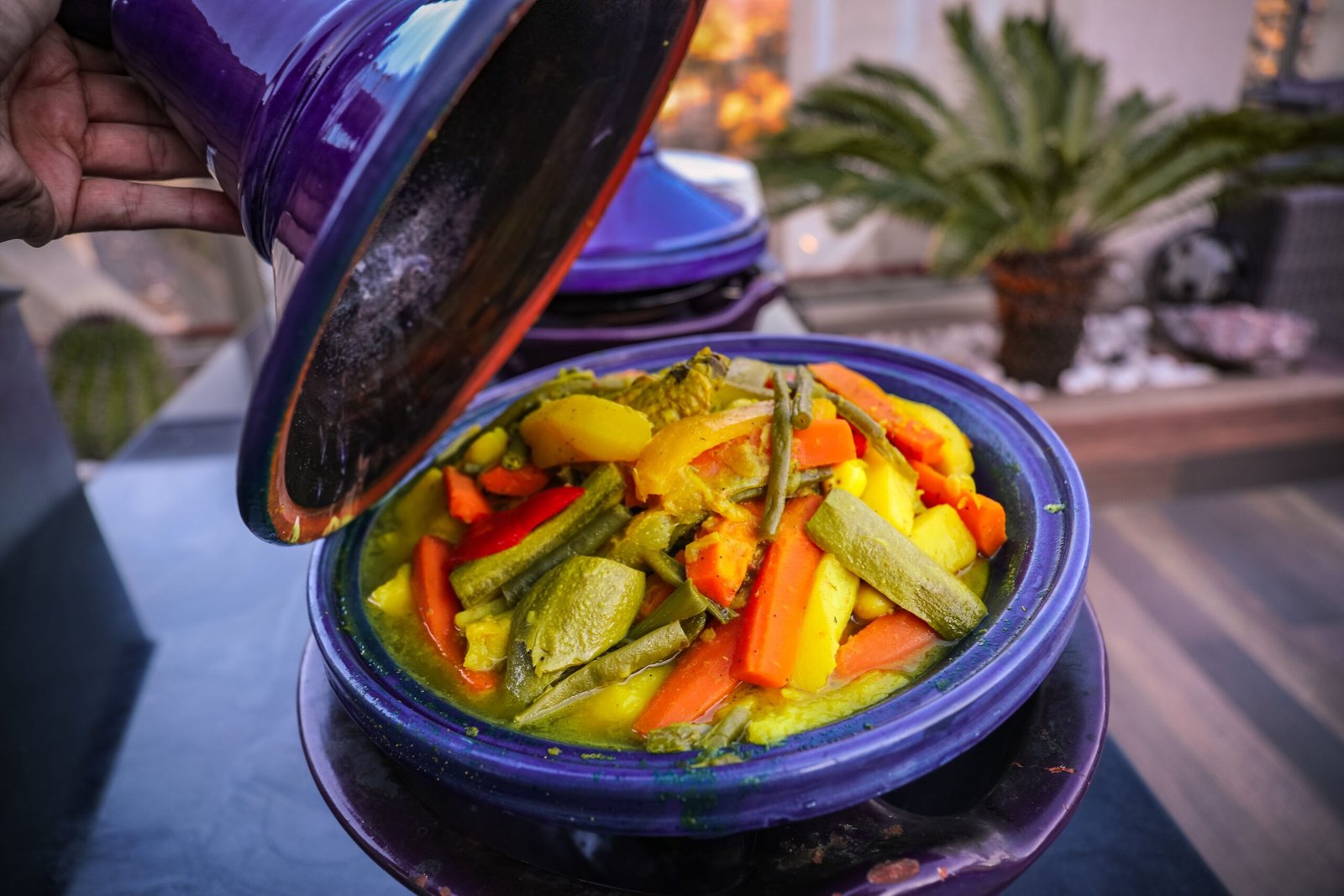
3. Tagine – A slow-cooked stew made with meat, vegetables, and dried fruits, tagine is a quintessential Moroccan dish that’s perfect for cold winter nights. Try it at La Table du Marche in Casablanca, where a serving costs around 100 MAD (approximately $10 USD).
4. Chakchouka – A flavorful vegetable stew made with bell peppers, onions, and tomatoes, chakchouka is a popular breakfast dish in Morocco. Enjoy it at Le Petit Cornichon in Marrakech, where a serving costs around 20 MAD (approximately $2 USD).
5. Msemen – A traditional Moroccan pancake filled with meat, onions, and spices, msemen is a delicious and filling breakfast option. Try it at La Msemenia in Rabat, where a serving costs around 10 MAD (approximately $1 USD).
Egyptian Favorites
6. Koshari – A vegetarian dish made with pasta, lentils, tomato sauce, and fried onions, koshari is a beloved Egyptian street food. Enjoy it at Abou Tarek in Cairo, where a serving costs around 10 EGP (approximately $0.60 USD).
7. Ful Medames – A hearty fava bean dish made with garlic, lemon juice, and olive oil, ful medames is a popular Egyptian breakfast option. Try it at El Tazah in Alexandria, where a serving costs around 15 EGP (approximately $0.90 USD).
8. Shawarma – A popular Egyptian street food made with thinly sliced meat served in a pita bread with vegetables and tahini sauce, shawarma is a must-try in Egypt. Enjoy it at Abou El Sid in Cairo, where a serving costs around 20 EGP (approximately $1.20 USD).
9. Baba Ghanoush – A creamy eggplant dip made with garlic, lemon juice, and tahini, baba ghanoush is a popular Egyptian appetizer. Try it at El Moez in Giza, where a serving costs around 25 EGP (approximately $1.50 USD).
10. Umm Ali – A traditional Egyptian dessert made with puff pastry, milk, and nuts, umm ali is a rich and decadent treat. Enjoy it at El Zahra in Alexandria, where a serving costs around 30 EGP (approximately $1.80 USD).
Cultural Insights
Moroccan and Egyptian cuisine is deeply rooted in the country’s history and culture. In Morocco, the cuisine is influenced by the country’s Berber, Arab, and Mediterranean heritage, resulting in a unique blend of flavors and spices. In Egypt, the cuisine is shaped by the country’s rich ancient history, with influences from the Pharaonic era to the Islamic conquest.
One of the key elements that set Moroccan and Egyptian cuisine apart is the use of spices. In Morocco, spices like cumin, coriander, and cinnamon are staples in many dishes, while in Egypt, spices like cumin, coriander, and cardamom are commonly used in cooking. The use of spices not only adds flavor to the dishes but also has cultural and symbolic significance.
Conclusion
As we conclude our culinary journey through Morocco and Egypt, we’re left with a deeper appreciation for the rich culinary heritage of these two countries. From the spicy tagines of Morocco to the fragrant koshari of Egypt, each dish is a testament to the country’s history, culture, and gastronomy. Whether you’re a foodie, a history buff, or simply a curious traveler, trying these traditional dishes is a must. So, pack your bags, grab your appetite, and get ready to taste the flavors of Morocco and Egypt.