Tunisia, a country located in the heart of North Africa, is a hidden gem waiting to be discovered. With its rich history, stunning architecture, and breathtaking landscapes, Tunisia is a must-visit destination for travelers. From the golden sands of its beaches to the majestic ruins of its ancient cities, Tunisia is a country that seamlessly blends tradition and modernity.

Located in the Maghreb region, Tunisia is bordered by Algeria to the west and Libya to the southeast. The country’s strategic position has made it a crossroads for cultures, trade, and ideas throughout history. Today, visitors can experience the remnants of this rich heritage in its vibrant cities, picturesque towns, and archaeological sites.
When to Visit Tunisia
The best time to visit Tunisia is during the spring (March to May) and autumn (September to November), when the weather is mild and pleasant. Summer can be hot and humid, while winters are mild and pleasant. If you’re looking to avoid the crowds, consider visiting during the shoulder season (April to May or September to October).
During the spring, Tunisia celebrates Easter, a significant Christian holiday. The country also celebrates the Eid al-Fitr and Eid al-Adha, two important Islamic holidays. Visitors can experience the local culture and traditions by attending these festivals and events.
Must-Visit Places in Tunisia
Medina of Tunis
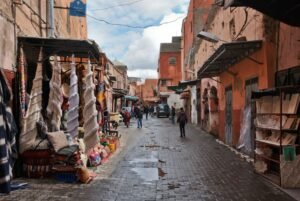
The Medina of Tunis, a UNESCO World Heritage Site, is a labyrinthine old city filled with narrow streets, bustling souks, and ancient mosques. Visitors can explore the medina’s winding alleys, visit the Grand Mosque, and sample local cuisine at one of the many restaurants.
One of the must-visit attractions in the medina is the Zitouna Mosque, one of the oldest and most beautiful mosques in the Islamic world. The mosque’s intricate architecture and stunning tile work make it a must-see for any visitor.
Carthage
Carthage, a ancient city founded by the Phoenicians, is a must-visit destination for history buffs. The city’s ruins include the remains of the Temple of Juno, the Theater of Carthage, and the Museum of Carthage. Visitors can explore the site’s ancient streets, admire the stunning views of the Mediterranean, and learn about the city’s rich history.
One of the highlights of Carthage is the Antonine Baths, a well-preserved ancient Roman bath complex. The baths feature intricate mosaics, stunning architecture, and a fascinating history.
El Jem
El Jem, a small town in southern Tunisia, is home to the stunning El Jem Amphitheater. This ancient Roman amphitheater is one of the best-preserved in the world and offers breathtaking views of the surrounding landscape.
Visitors can explore the amphitheater’s ancient ruins, learn about its history, and attend a concert or event during the summer months. The town of El Jem also features a museum, a Roman forum, and several ancient temples.
Things to Do in Tunisia
Tunisia offers a wide range of activities and experiences for visitors. From hiking and biking to water sports and camel rides, there’s something for everyone.
One of the most popular activities in Tunisia is visiting the Sahara Desert. Visitors can take a camel ride through the dunes, attend a Berber village, and experience the traditional hospitality of the local people.
Another popular activity is exploring the country’s beautiful beaches. Tunisia is home to some of the most stunning beaches in the Mediterranean, including the popular resort town of Hammamet.
Cultural Insights and Tips
Tunisia is a country with a rich cultural heritage. Visitors can experience the local culture by attending a traditional festival, visiting a local market, or trying local cuisine.
One of the best ways to experience the local culture is by visiting a traditional riad, a type of Moroccan house with an interior garden. Visitors can stay in a riad, learn about the local customs, and sample traditional cuisine.
Tunisia is a relatively safe country, but visitors should take precautions to protect themselves and their belongings. It’s also a good idea to learn some basic Arabic phrases, such as ‘hello’ (marhaba) and ‘thank you’ (shukraan).
Finally, Tunisia is a country that seamlessly blends tradition and modernity. Visitors can experience the local culture, try local cuisine, and explore the country’s stunning landscapes. Whether you’re a history buff, a foodie, or an adventure seeker, Tunisia has something for everyone.